Impact Windows vs. Hurricane Shutters: How to Choose for Your Volusia County Home
Impact windows are worth considering when you also need new windows. Hurricane shutters deserve a close look when your existing windows are serviceable and your main goal is opening protection. Both decisions depend on the actual products, installation, and needs of the house. Start with the condition of your windows and who will prepare the property before a storm.
For a homeowner who travels frequently, deployment is a major concern. For someone with deteriorated windows, addressing the windows themselves may be the priority. A useful comparison begins with those practical differences.
Understand what you are buying
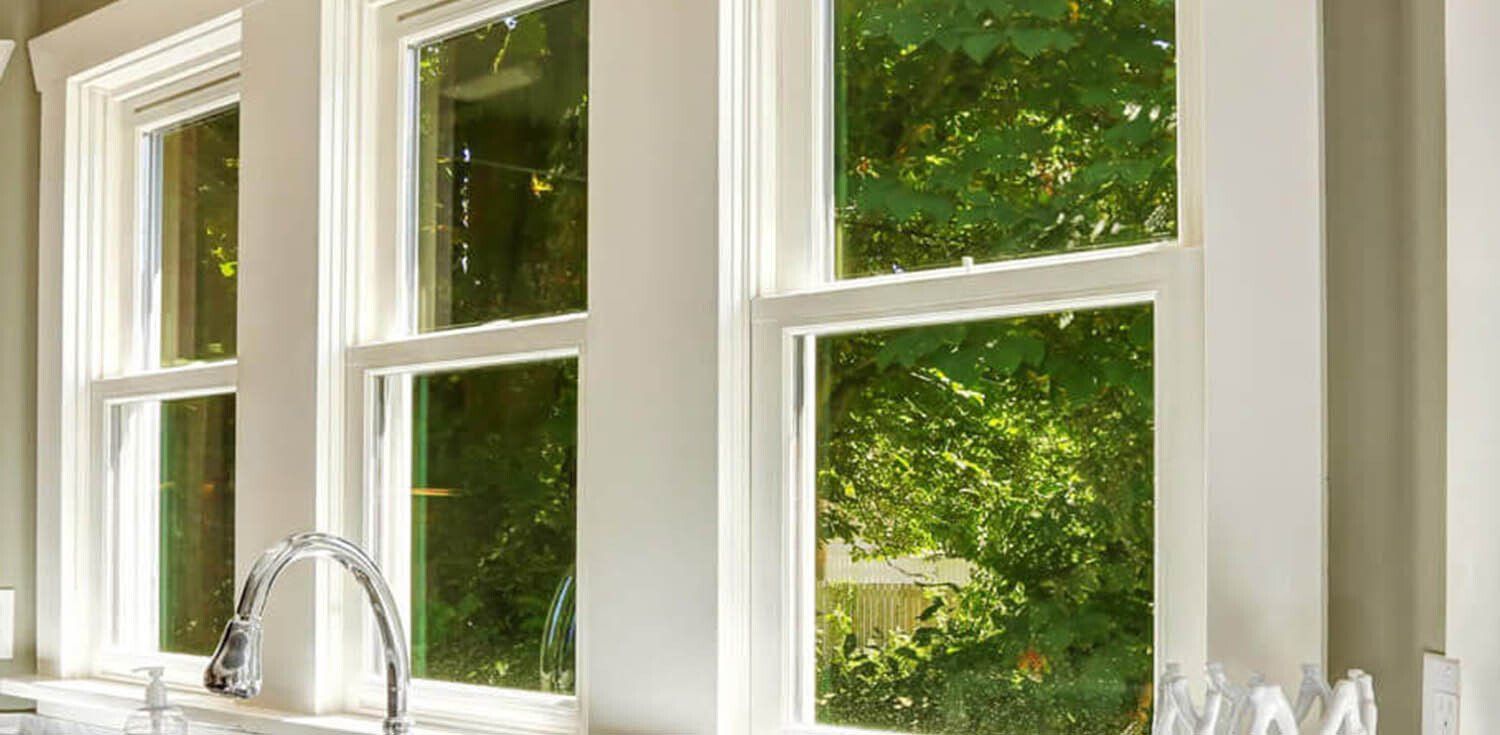
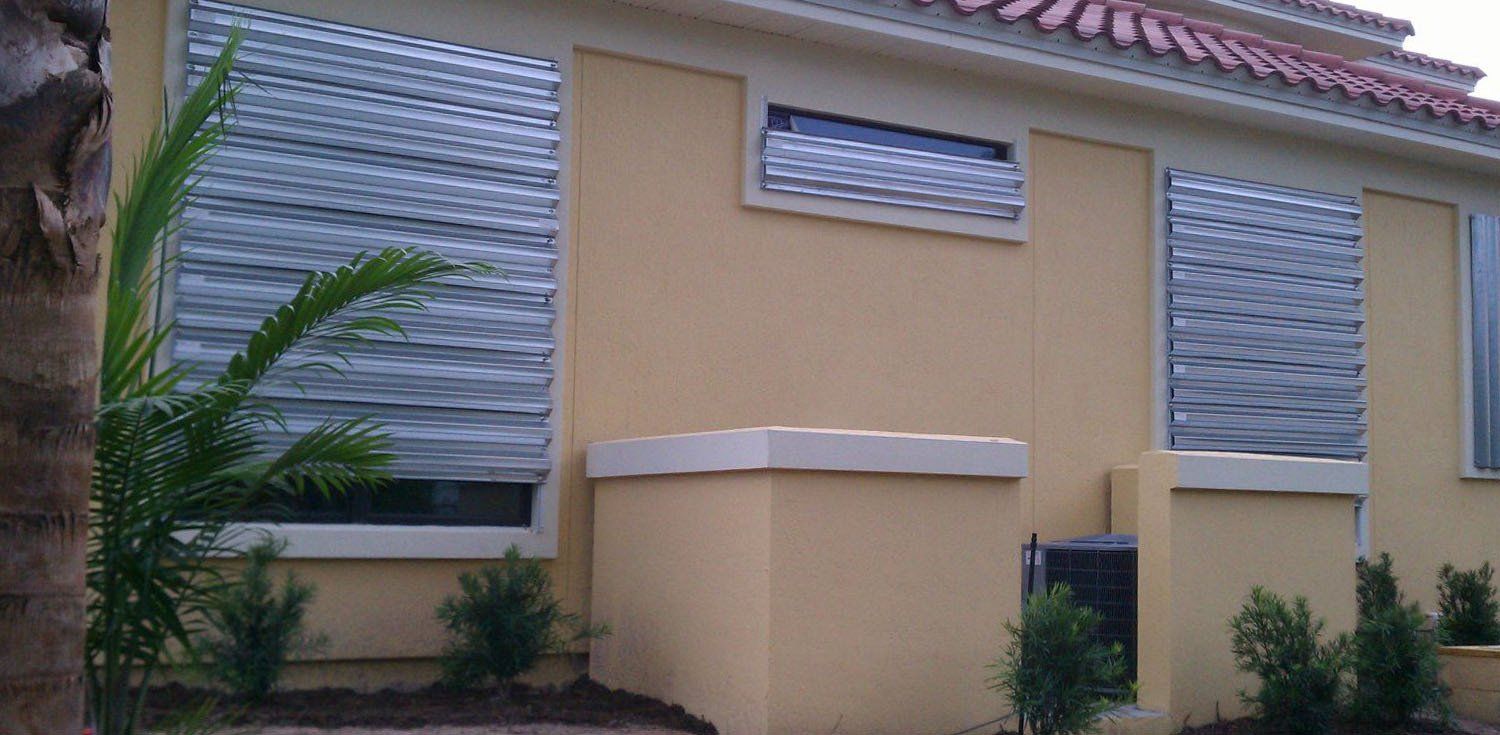
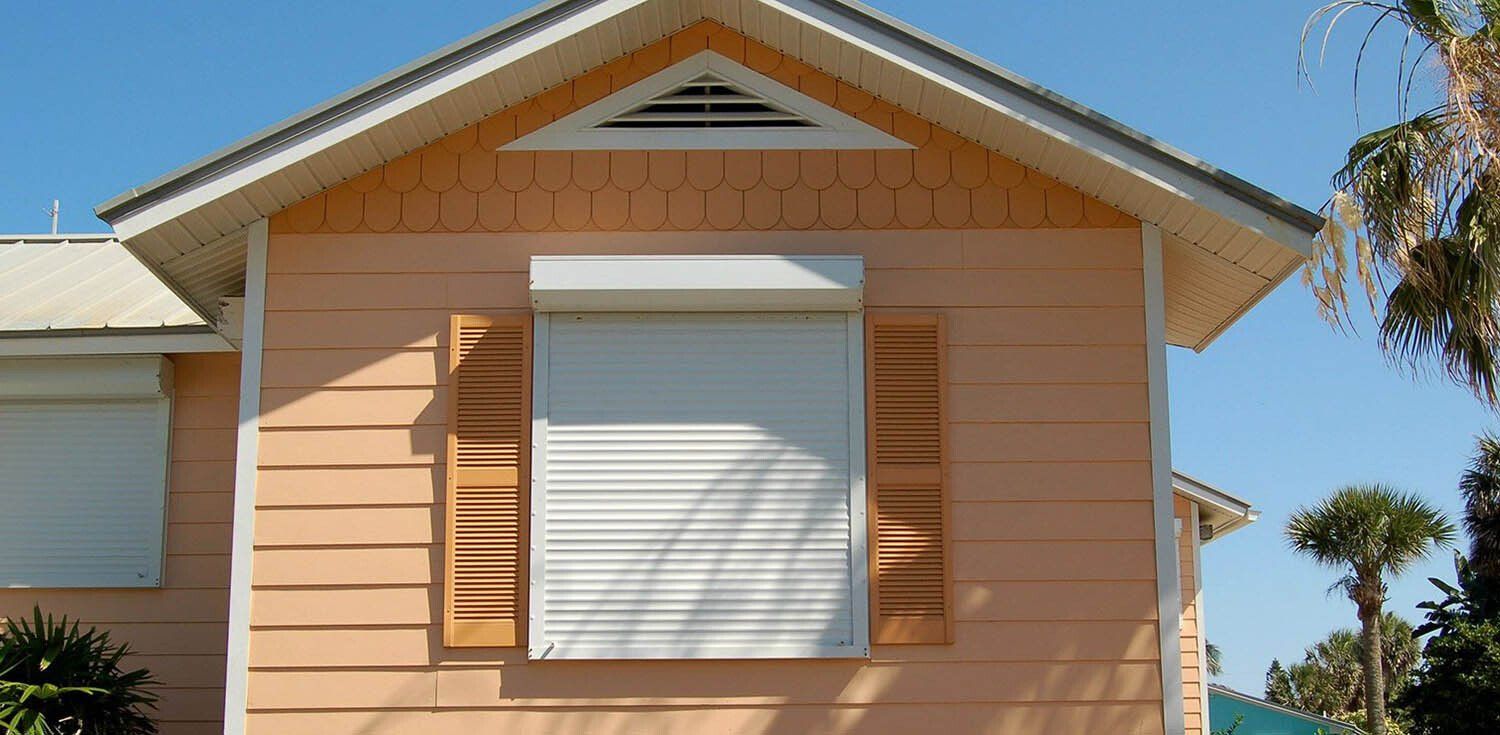
Impact windows are window assemblies designed and tested for specified impact and pressure conditions. Hurricane shutters are protective systems installed over openings. Product ratings and installation details matter for either approach; a descriptive label alone is not enough.
The Florida Division of Emergency Management’s opening-protection guide explains why protecting windows and doors matters during high winds. No window or shutter makes an entire home hurricane-proof. Roofs, doors, connections, and other building components remain part of the overall picture.
Start with the windows you already have
Walk through the house and note windows that are difficult to operate, show visible deterioration, or have recurring leakage. Have the cause assessed rather than assuming every symptom is solved by replacement. Water near a window, for example, may involve surrounding construction.
If replacement is already on your project list, compare impact-rated options while reviewing new windows for your Volusia County home. If your windows are in good condition, ask whether an appropriate shutter system could meet your protection goals without replacing them.
Remember that shutters do not repair an aging window. Likewise, new glass alone does not resolve a deteriorated supporting opening. Each estimate should identify which existing problems the proposed work addresses.
Compare preparation and everyday use
| Question | Impact windows | Hurricane shutters |
|---|---|---|
| What happens before a storm? | No separate shutter deployment for the protected window; follow product instructions and the broader home-preparation plan | Deployment varies by system; plan access, time, and who will do the work |
| What changes every day? | Window appearance, operation, and potentially other product-specific performance | Visible hardware or stored panels may be part of the system |
| What if the owner is away? | Less dependence on someone fitting a separate covering over that window | A reliable deployment arrangement may be needed |
| What should a quote identify? | Exact assemblies, approvals, installation scope, and finishing | Exact system, approvals, attachment details, and deployment requirements |
Ask to see how the proposed shutter operates before choosing it. Consider upper-story access, storage for removable components, physical effort, and what happens if power is unavailable for a motorized system. Discuss emergency escape requirements with the installer.
Do not use the impact label as an energy-efficiency rating
Storm protection and energy performance are different characteristics. If comfort is another goal, compare the exact window’s ratings. The U.S. Department of Energy explains that U-factor measures heat transfer and solar heat gain coefficient describes solar heat admitted through the product.
Ask which glazing options suit each elevation of the home and your priorities for daylight and glare. Avoid budgeting around a promised utility-bill reduction unless it is supported by an analysis of your house and the proposed change.
Compare the same set of openings
A quote for six windows cannot be compared fairly with a protection plan that also includes large doors or other openings. Make one list of the areas being addressed, then ask each proposal to explain its scope, exclusions, and remaining gaps.
Include removal and disposal, necessary repairs, interior trim, exterior finishing, applicable permits, and inspections. Ask what conditions could require a change order. For shutters, include any storage or operating accessories needed to use the system as intended.
Budget is important, but there is no responsible one-price answer for every house. Compare installed proposals for your property instead of a generic per-window number.
Resolve permits and insurance questions before ordering
Have the responsible building department confirm permit requirements for the proposed scope. If someone suggests a 2026 low-value exemption, request the project-specific determination before relying on it.
If insurance savings affect your decision, ask your insurer what documentation it requires and whether the proposed work changes your eligibility. Do not assume a particular discount or that a partial upgrade will receive the same treatment as a complete protection plan.
Which option fits your household?
Choose impact windows for their fit with your replacement needs and preparation routine. Consider shutters when retaining sound windows makes sense and you have a workable deployment plan. A combination may be worth discussing when different openings have different needs, provided the overall design and installation are appropriate.
A First Class Aluminum offers hurricane shutter services as well as window installation. Request an estimate or call 386-228-3933 to compare options around your existing windows, daily routine, and project budget.