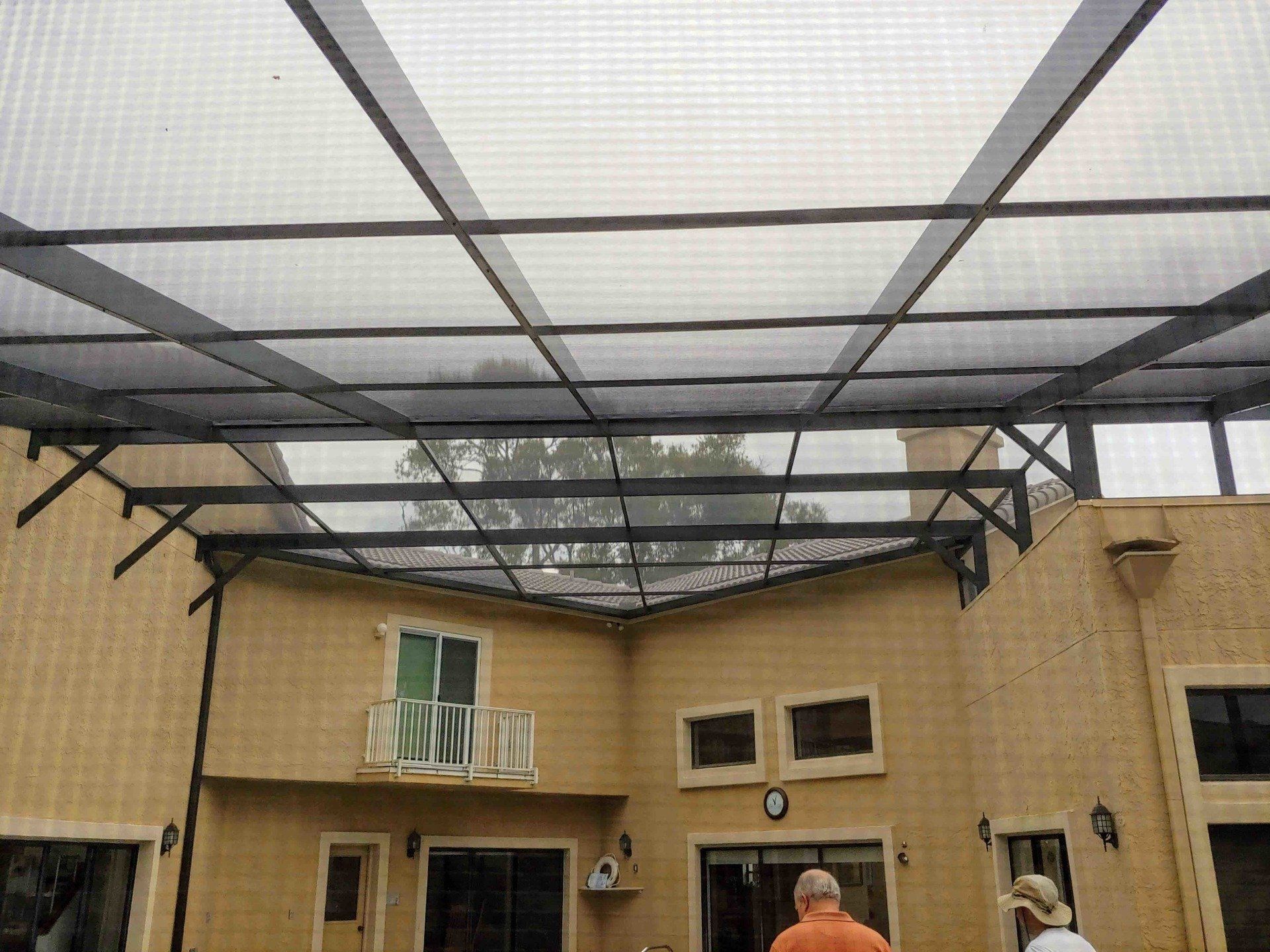
Which Screen Mesh Is Right for Your Volusia County Pool Enclosure or Screen Room?
The best screen mesh is the one that solves your main problem while remaining compatible with the enclosure. Tiny insects, pet wear, glare, and visibility are different priorities. Choosing a material by price or the word “premium” alone can leave the most frustrating problem unresolved.
Start by listing what bothers you about the current space. Are small insects getting through, or are they entering around a door? Is the view interrupted by thick mesh, or by the frame? Does a pet repeatedly damage one lower panel? Those details point the selection in different directions.
Understand the common categories
| Screen category | Main reason to consider it | What to compare |
|---|---|---|
| Standard pool and patio mesh | General insect screening for outdoor living | Material, opening size, appearance, and approved application |
| Fine insect mesh | Reducing entry of smaller insects | Opening size, airflow, visibility, and complete enclosure coverage |
| Pet-resistant mesh | Extra resistance to certain types of pet wear | Product limitations, appearance, and frame compatibility |
| Visibility-focused mesh | A less noticeable screen surface | Actual sample appearance, insect needs, and durability |
| Solar-control screening | Managing sun exposure or glare | Product performance, daylight, airflow, and design suitability |
As examples of industry categories, Phifer’s pool and patio screening range includes standard 18-by-14 and finer 20-by-20 products. Those numbers describe mesh counts, but the product’s material and strand dimensions also affect performance. These are comparison examples, not a statement that every listed product is offered for every A First Class Aluminum project.
If tiny insects are the problem, inspect the whole enclosure
Fine insect mesh may be appropriate when smaller pests are getting through the screen itself. Phifer describes its No-See-Um screening as intended for small-insect exclusion. Ask to compare the actual proposed material with standard mesh rather than relying on a generic category name.
Check doors, lower gaps, damaged edges, and unscreened openings as well. Upgrading one wall will not resolve entry through a torn panel elsewhere. Ask the installer to explain whether the proposed scope addresses the complete path insects may be using.
Finer or denser products can change the feel of the space. Compare manufacturer information and physical samples for airflow and visibility. Avoid assuming that every fine mesh has exactly the same tradeoff.
If pets damage the screen, identify where and how
Tell the installer whether the problem is clawing, leaning, climbing, or repeated contact near a door. A targeted material choice or a different lower-wall detail may be worth discussing, depending on the enclosure.
Pet-resistant does not mean indestructible or a guaranteed containment barrier. A stronger fabric still depends on the frame, spline, and installation. It is also not a child-safety barrier. Ask about the intended use and limitations of the exact product before treating a screen as protection against an animal or person pushing through.
If the view is the priority, separate mesh from framing
Mesh affects how the screened surface looks, while structural posts affect the size and placement of the view openings. Changing one does not necessarily change the other.
Hold samples where you actually sit, looking toward the yard in the light conditions you use most. A sample against a showroom wall does not tell you how it will look across your pool. Include both daytime viewing and the room’s evening lighting in the discussion.
If frame placement is the issue, explore MegaView screen options separately. A wider-view design requires a structural assessment; it is not simply a mesh upgrade.
Match the material to the enclosure design
Do not assume that any screening product can be substituted into any opening. Ask the contractor to confirm that the proposed mesh, panel dimensions, and supporting structure are compatible. A request for greater privacy or heavier material deserves the same review as other changes.
For a new project, discuss mesh while planning the screen room or pool enclosure, rather than treating it as a last-minute selection. For an existing enclosure, resolve frame and connection concerns before investing in a full rescreen.
Get the selection in writing
The estimate should name the actual mesh and identify where it will be installed. If different materials are proposed for roof panels, walls, or lower sections, those locations should be clear. Ask about available colors, care instructions, warranty coverage, and exclusions.
Keep a record of the selected product so future repairs can be evaluated against the original installation. An exact product description is more useful years later than “upgraded screen.”
Choose around the way you use the space
Bring photos and your top two priorities to the estimate conversation. A First Class Aluminum can discuss suitable screening options for your project and help you distinguish material choices from structural changes.
Request an enclosure estimate or call 386-228-3933. Start with the insects, view, pets, or sun exposure you want to address, and choose a specification that fits the whole enclosure.