How to Choose the Right Hurricane Shutters for Volusia County Home
A First Class Aluminum
How to Choose the Right Hurricane Shutters for Your Volusia County Home
Every summer, Volusia County homeowners face the same question: is my home actually ready for hurricane season? With coastline running from Daytona Beach to New Smyrna Beach, and inland communities like DeLand and Deltona still exposed to tropical-storm-force winds, hurricane shutters remain one of the most reliable, cost-effective ways to protect a home's windows, doors, and the people inside. But "hurricane shutters" isn't a single product — it's a category with several very different options, price points, and trade-offs. This guide walks through what actually matters when choosing shutters for a Volusia County home.
Understanding Volusia County's Hurricane Risks and Preparation Timeline
Florida Hurricane Season Calls for Early Planning
Atlantic hurricane season runs June 1 through November 30, but the busiest stretch for Florida typically falls between August and October — which means the best time to shop for shutters is late winter or spring, before installers are booked solid and before a storm is already in the forecast. Waiting until a named storm is approaching the coast almost always means longer lead times, sold-out inventory, and rushed decisions. Homeowners who plan ahead have more time to compare shutter types, get accurate measurements, and schedule installation on their timeline rather than the storm's.
Coastal Storm Risks in Volusia and Flagler County
Volusia County sits in a Wind-Borne Debris Region, meaning homes here are more likely to see flying debris impact during high winds than areas further inland. Coastal communities such as Ormond Beach, Port Orange, and Edgewater face the added exposure of storm surge and sustained coastal winds, while inland cities like Orange City and DeBary still regularly see tropical-storm and hurricane-force gusts. Because building code requirements and practical risk vary by proximity to the coast, it's worth having a licensed local contractor evaluate your specific address rather than relying on a one-size-fits-all recommendation.
Types of Hurricane Shutters: Pros, Cons, and Best Uses
Accordion and Roll-Down Shutters: Storm Protection Pros and Cons
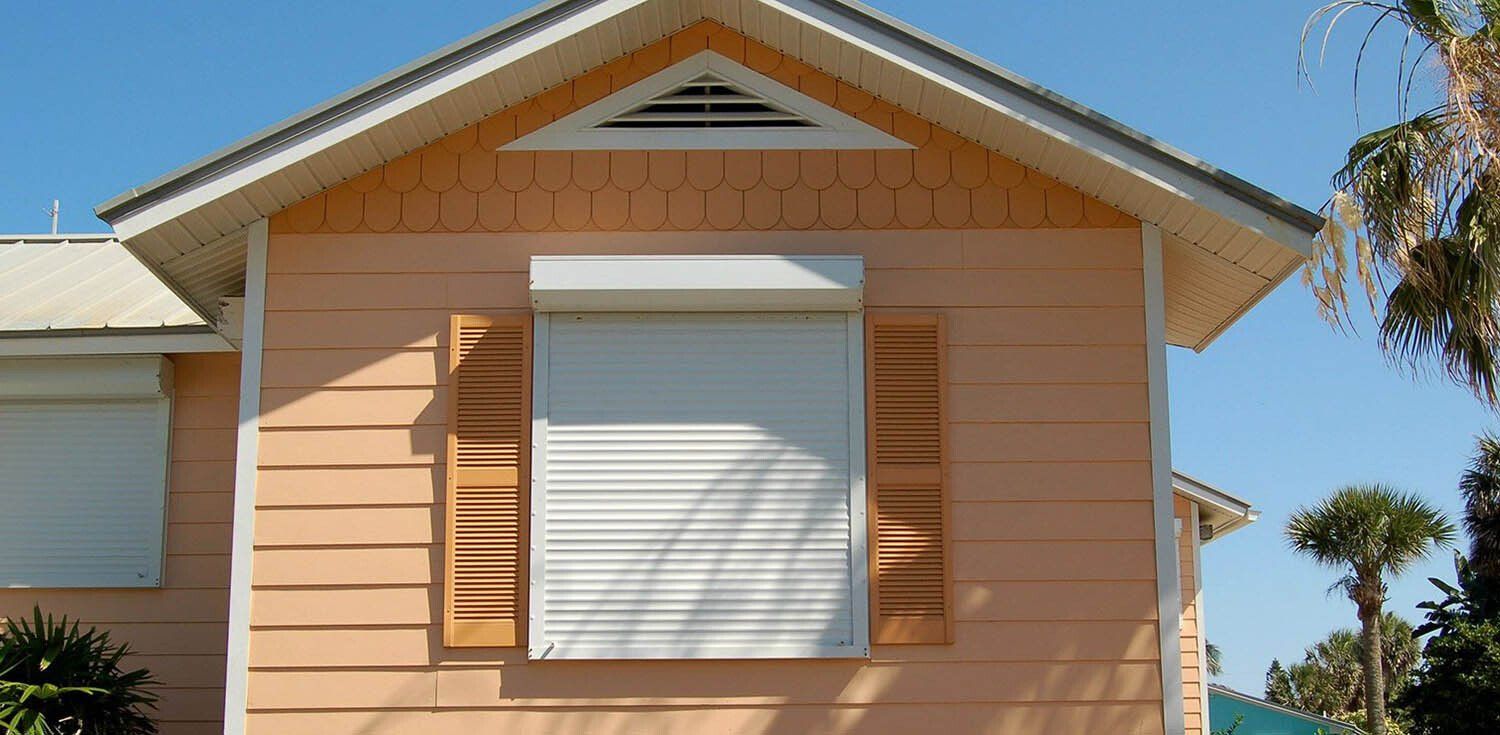
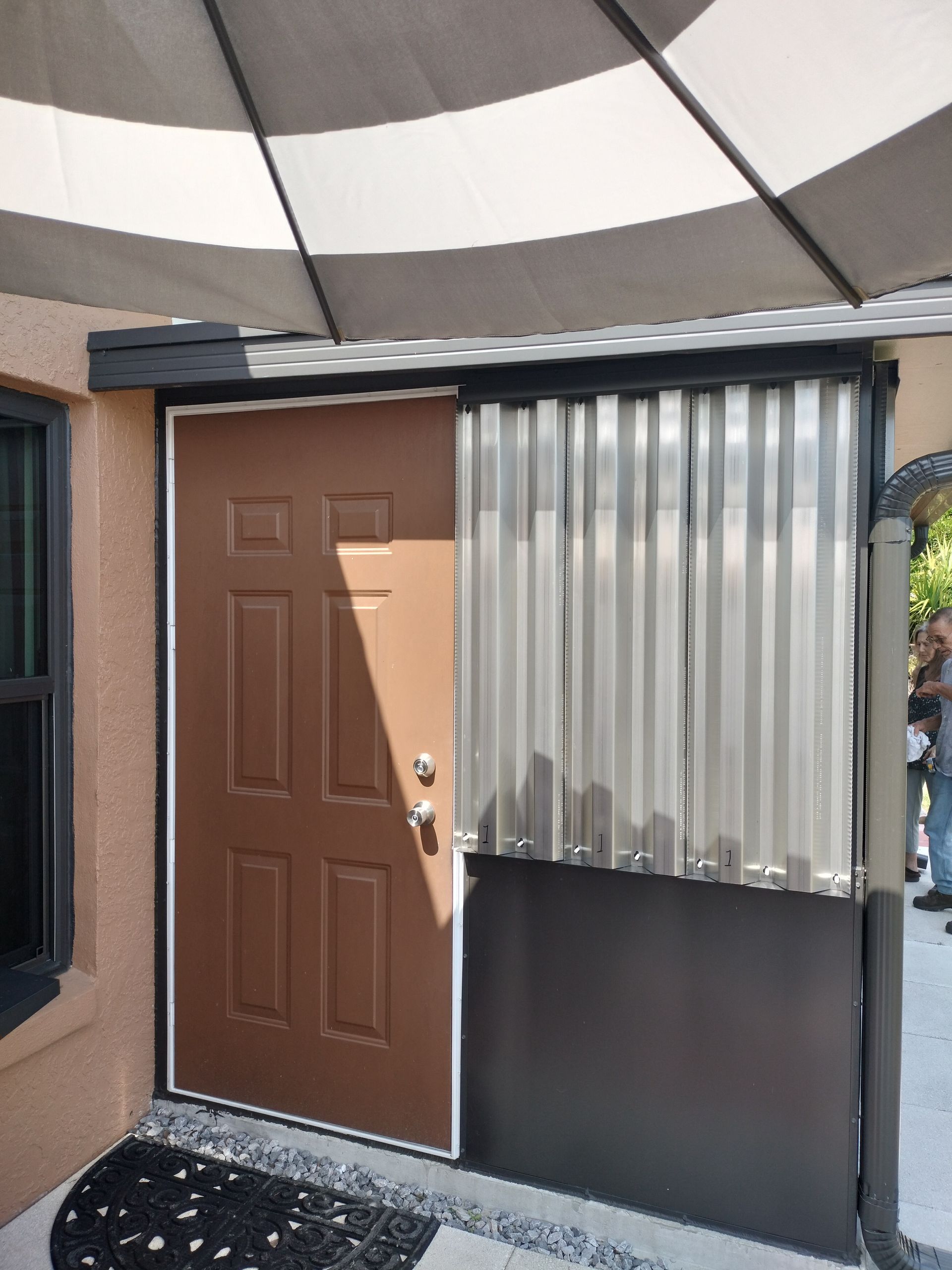
Accordion shutters fold against the wall on a track beside each window and pull closed in minutes, making them one of the fastest options to deploy without needing a ladder. They stay permanently mounted, so there's no storage or hauling panels out of a garage. Roll-down shutters take convenience a step further — many are motorized and can be closed with the push of a button — but that convenience comes at a higher upfront cost. Both styles offer strong wind and impact protection when properly installed and rated, and both remain visible year-round, which is worth factoring in for homes where curb appeal is a priority.
Bahama and Colonial Shutters Fit Aesthetic Preferences
For homeowners who want storm protection that doubles as architectural detail, Bahama and colonial shutters are popular choices. Bahama shutters are mounted above the window and prop outward, providing shade and a tropical look even when not in storm position. Colonial shutters are hinged on the sides and swing closed like traditional louvered shutters, giving a classic, historic appearance. Both require manual deployment for each window, so they take more time to close up a whole house compared to accordion or roll-down systems, but many homeowners consider the aesthetic trade-off worthwhile.
Storm Panels and Fabric Shutters: Are There Budget Options?
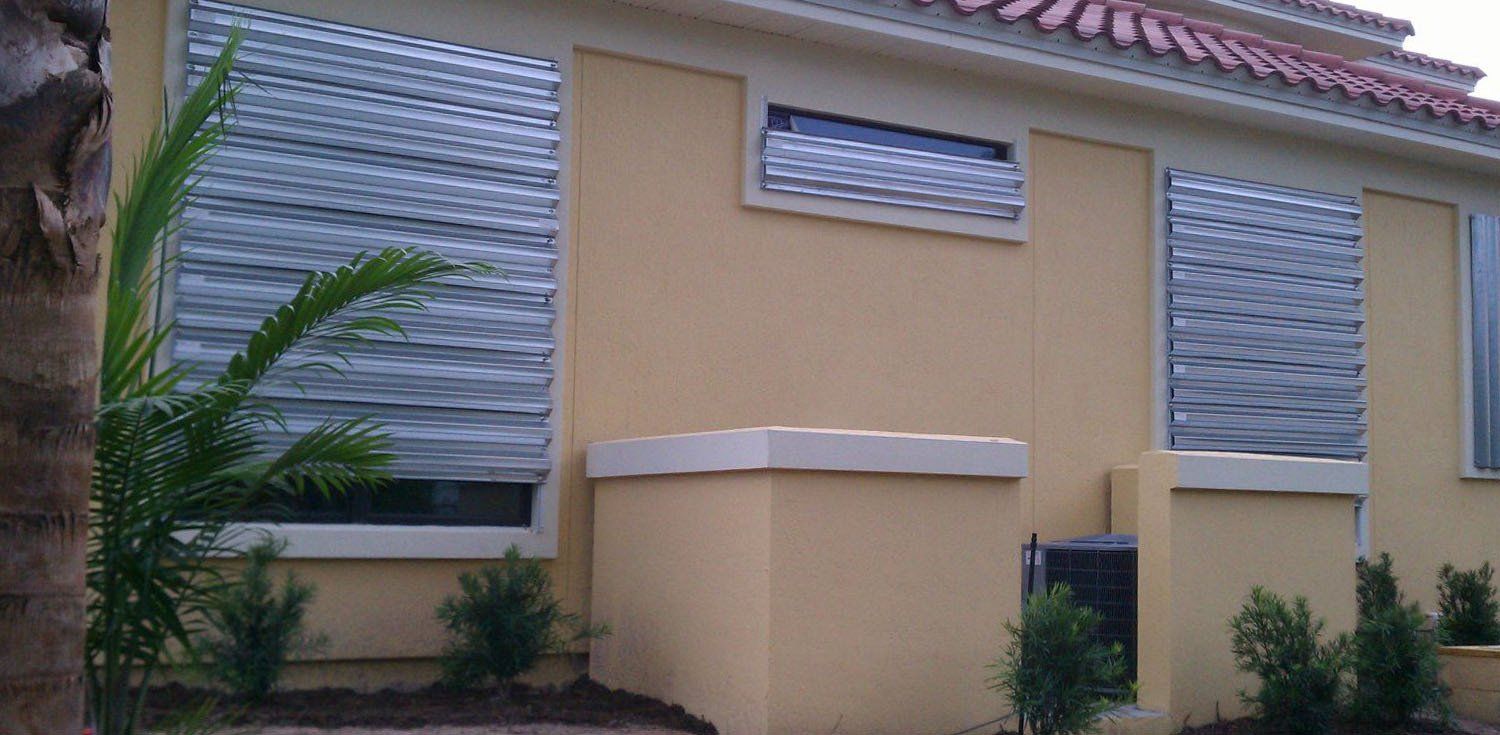
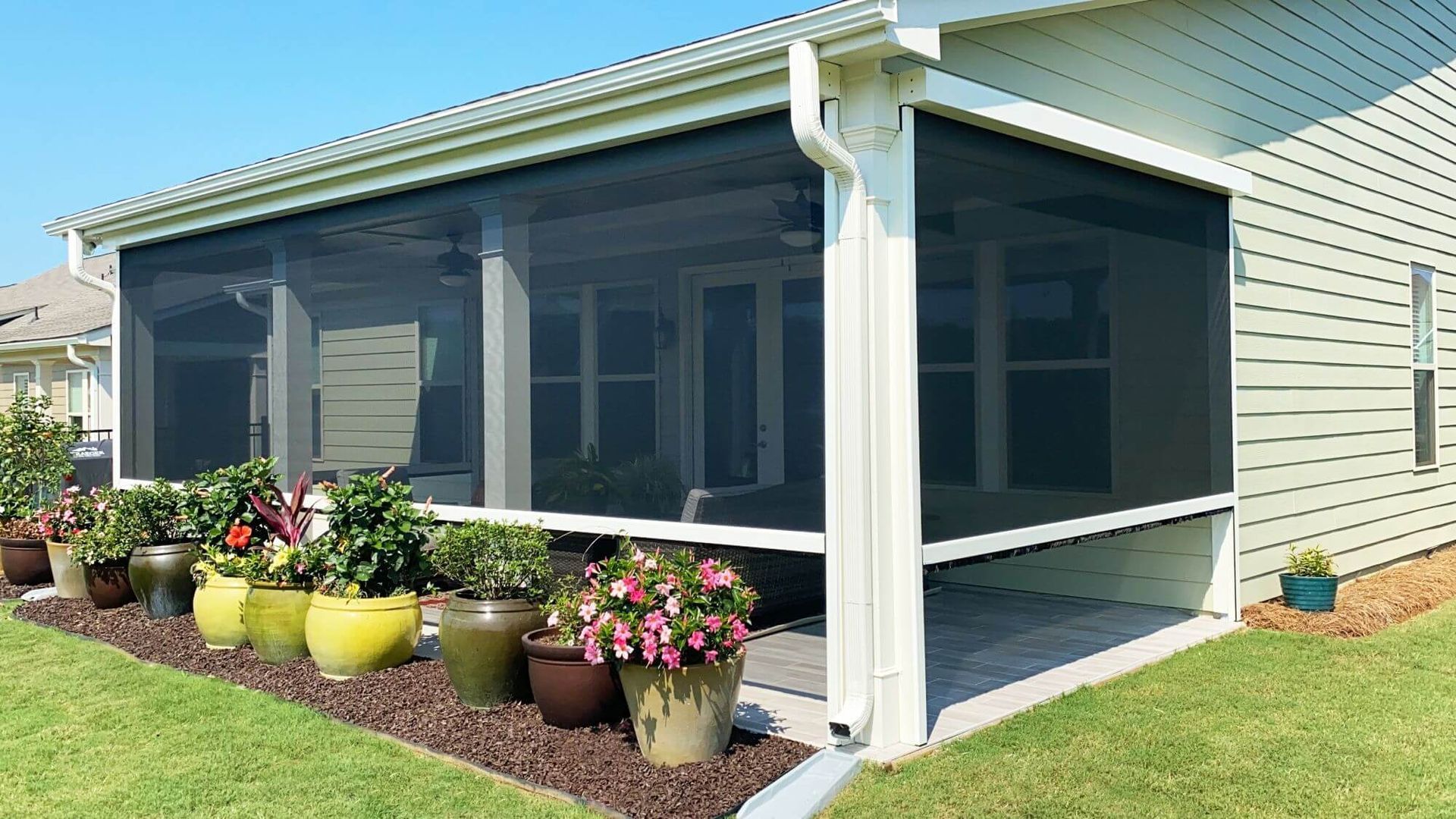
Storm panels — typically aluminum or polycarbonate sheets that bolt or track into place before a storm — are generally the most budget-friendly option for meeting code-required protection. The trade-off is labor: panels must be installed by hand for every opening and then removed and stored afterward, which is more physically demanding, especially on a home with many windows. Fabric hurricane screens are a newer, lighter-weight alternative that some homeowners use for lower-risk openings, though coverage and wind ratings vary significantly by product, so it's important to confirm any fabric option carries a valid Florida Product Approval before relying on it for a code-required opening.
Key Factors in Choosing the Right Hurricane Shutters for Your Home
Choosing Shutters by Budget, Protection, and Aesthetic Preferences
There's rarely a single "best" shutter for every home — the right choice depends on how much you want to spend upfront, how much wind and impact protection your specific location calls for, and how the shutters will look on your home day to day. A coastal home in a high-velocity hurricane zone has different practical needs than an inland home a few miles from the water, and a historic-style home may call for a different aesthetic than a newer build.
Ease of Use and Long-Term Maintenance Requirements
Consider who will actually be closing the shutters when a storm approaches. Accordion and motorized roll-down shutters are far easier for an aging homeowner, or anyone home alone, to secure quickly. Manual panels and colonial or Bahama shutters require more physical effort and, in the case of removable panels, a place to store them the rest of the year. Maintenance also varies: tracks and hinges need periodic lubrication and inspection for corrosion, especially in Volusia County's salt-air environment near the coast.
Meeting Florida Code Requirements and Avoiding Shutter Violations
Not every product sold as a "hurricane shutter" meets Florida Building Code requirements for your specific wind zone. Shutters intended to satisfy code-required wind-borne debris protection need a valid Florida Product Approval (NOA) and must be installed according to that approval's specifications, including fastener type and spacing. A licensed, insured contractor familiar with Volusia County's permitting requirements can confirm which products are approved for your address and pull the necessary permits, protecting you from costly corrections later.
Hurricane Shutter Installation Cost and Material Considerations
What Affects Shutter Installation Cost and Budget Planning?
Shutter pricing depends on the type of shutter, the number and size of openings being protected, the material, and whether motorization is included. Homes with many large openings, or openings that require custom sizing, will cost more to fully protect than a smaller home with standard window sizes. Getting a detailed, itemized quote for your specific home is the only reliable way to budget accurately — ballpark national averages rarely reflect Florida-specific material and labor costs.
Which Material for Storm Shutters Performs Best?
Aluminum is the most common material for accordion, roll-down, and panel shutters because it balances strength, weight, and corrosion resistance well in Florida's humid, salt-exposed climate. Steel panels can offer strong impact resistance but are heavier and more prone to rust without proper coating. Polycarbonate panels are lightweight and allow some natural light through, though they're typically reserved for lower-wind-load applications. Whatever the material, the fasteners matter just as much as the shutter itself — stainless steel fasteners resist the corrosion that ordinary hardware succumbs to after a few Florida summers.
Beyond Storms: Everyday Benefits and Investment Value
Energy Efficiency, Security, and Curb Appeal: The Everyday Benefits
Hurricane shutters aren't only useful during storm season. Closed shutters can reduce solar heat gain on west- and south-facing windows, helping trim cooling costs during Florida's long summers. They also add a visible layer of security against forced entry when a home is vacation-empty or unoccupied for extended periods. Styles like Bahama and colonial shutters contribute architectural character even when they're not deployed, adding curb appeal alongside protection.
Hurricane Glass and Impact-Resistant Doors as Alternatives
Shutters aren't the only path to code compliance. Impact-rated windows and impact-resistant doors provide permanent, always-on protection without the step of deploying anything before a storm. Many Volusia County homeowners choose a hybrid approach — impact windows on primary living areas paired with shutters on less-frequently-used openings — to balance cost, convenience, and protection. If you're weighing shutters against impact glass for your home, it's worth comparing both approaches side by side before deciding.
Choosing a Trusted Hurricane Shutter Provider in Volusia County
Essential Hurricane Shutter Questions to Ask Providers
Before signing a contract, ask any shutter provider: Is the product Florida Product Approved for my wind zone? Will you pull the required permit? What warranty covers the shutters and the installation labor separately? What fasteners are used, and are they rated for coastal exposure? Do you carry general liability and workers' compensation insurance? A contractor confident in their work will answer all of these clearly and in writing.
Protect Your Greatest Investments with Peace of Mind
A First Class Aluminum has served Volusia County homeowners for over 35 years, with stainless steel hurricane fasteners, Volusia's best warranty, no upfront payment required, and financing options available for qualifying homeowners. We're licensed, insured, and insurance-company friendly, which makes the permitting and documentation process smoother from quote to final inspection. See what neighbors across West Volusia and the coast are saying in our customer reviews, or learn more about our team.
Request a free, hassle-free hurricane shutter estimate for your Volusia County home today.