Sunroom vs. Screen Room: Which Adds More Value to Your Volusia County Home?
A sunroom may offer more enclosed usable space, while a screen room may deliver the outdoor experience you want for a smaller investment. Neither automatically produces a higher return when you sell. For a Volusia County homeowner, the better value depends on construction scope, how often the space gets used, and what buyers pay for similar homes nearby.
Before choosing, separate three questions: What will the project cost? What will it contribute to resale value? And how much will your household enjoy it while you live there? Those answers do not always point to the same room.
Compare the kind of value each room creates
| Consideration | Screen room | Sunroom |
|---|---|---|
| Everyday experience | Fresh air with screening between you and the yard | A more enclosed space; comfort depends on the room’s design |
| Project scope | Screening, structure, roof or existing cover, and supporting surfaces | May also involve glazing, insulation, moisture control, electrical work, and conditioning |
| Weather exposure | Outdoor temperature, humidity, and wind-driven rain remain factors | Greater separation from outdoor conditions when appropriately designed |
| Resale treatment | Outdoor amenity; do not assume interior living-area pricing | Classification and contributory value require property-specific review |
Our screen room and sunroom comparison explains the broader differences. For the value decision, focus on what you gain for the complete installed cost.
When a screen room can be the better investment
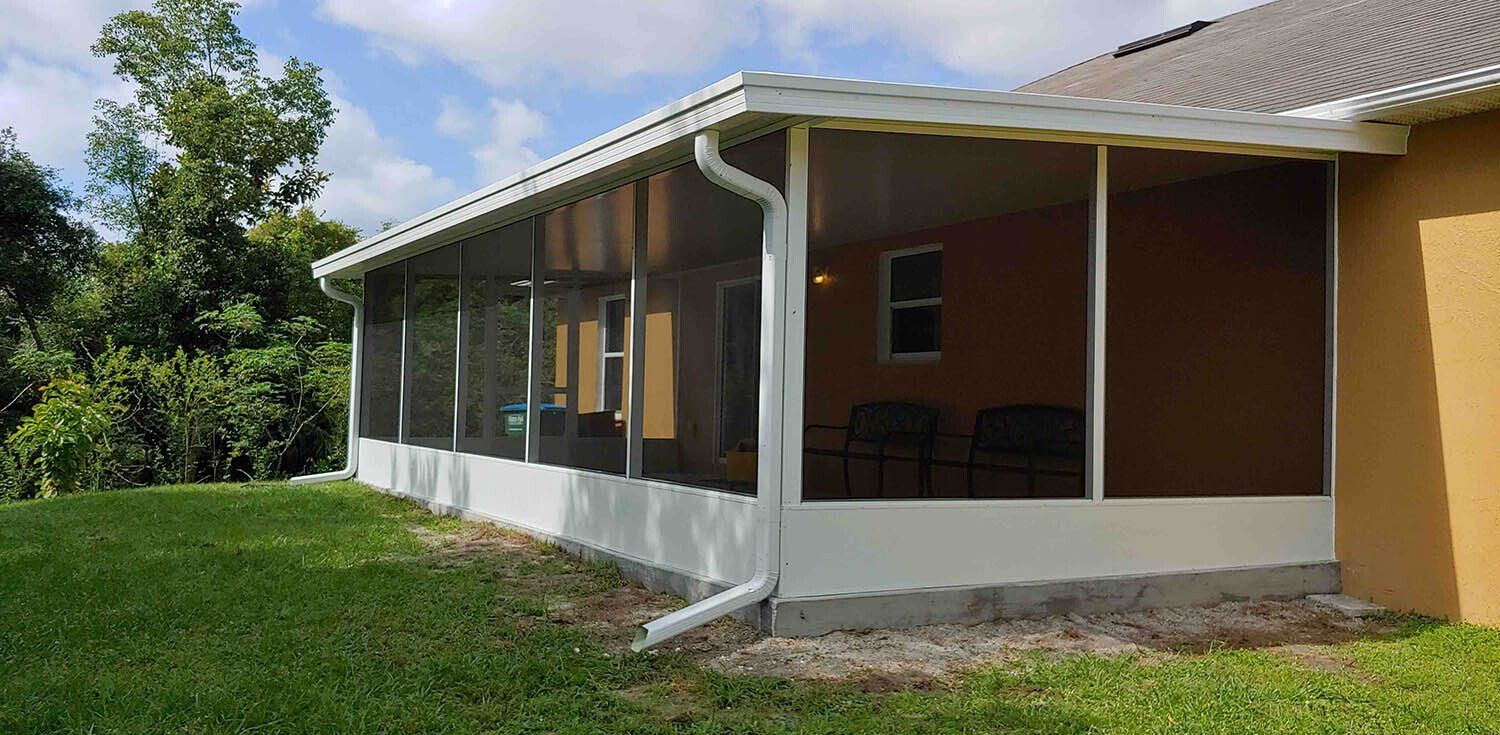
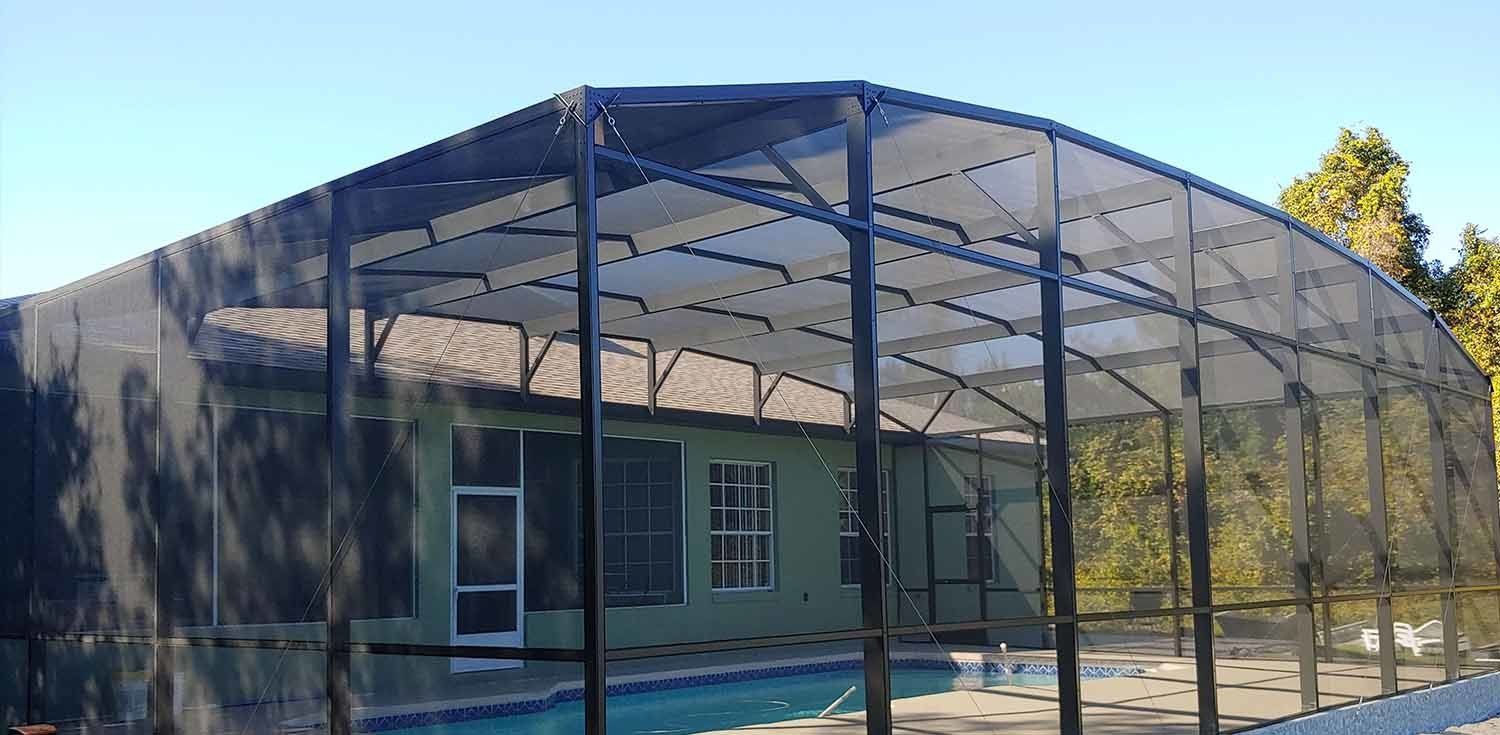
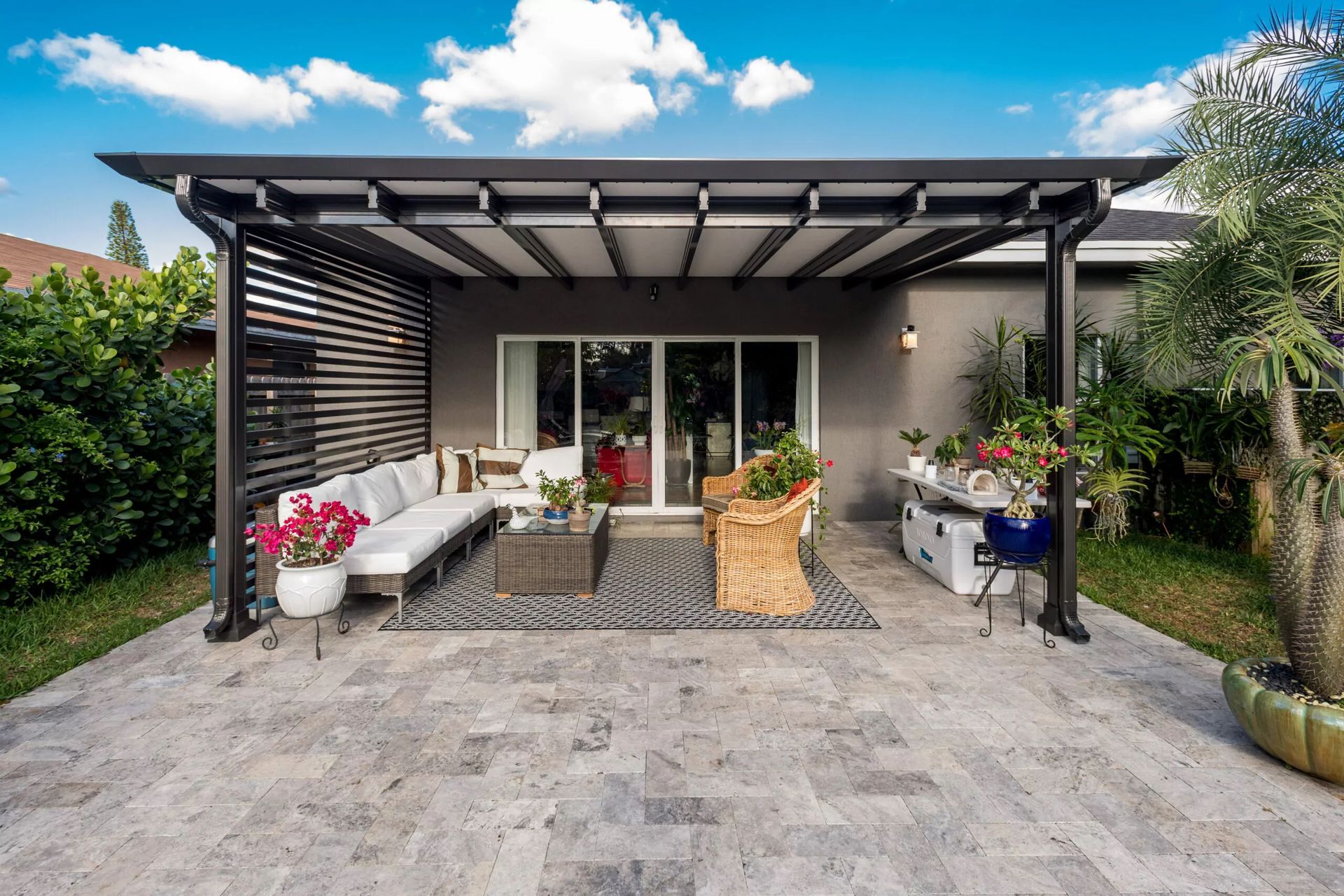
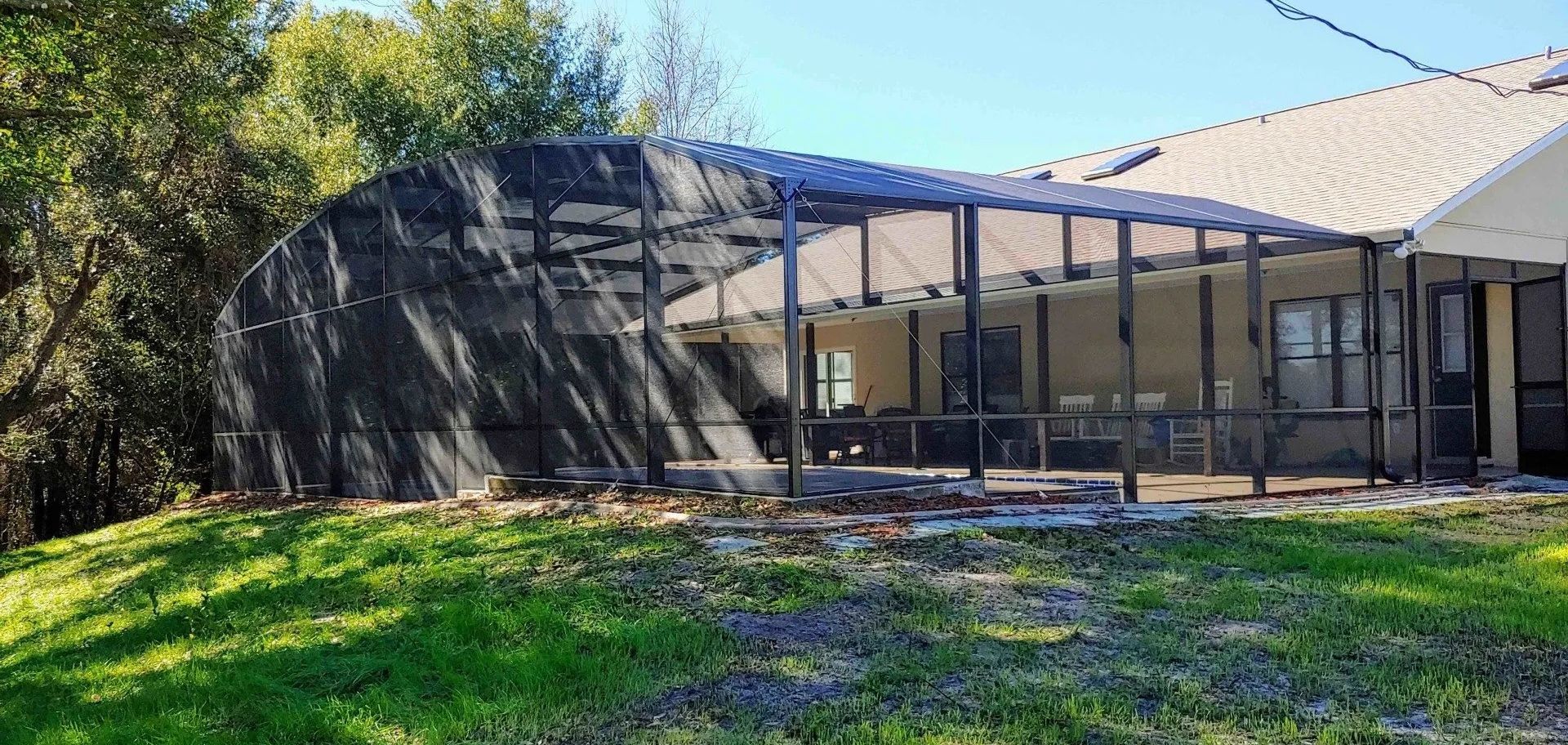
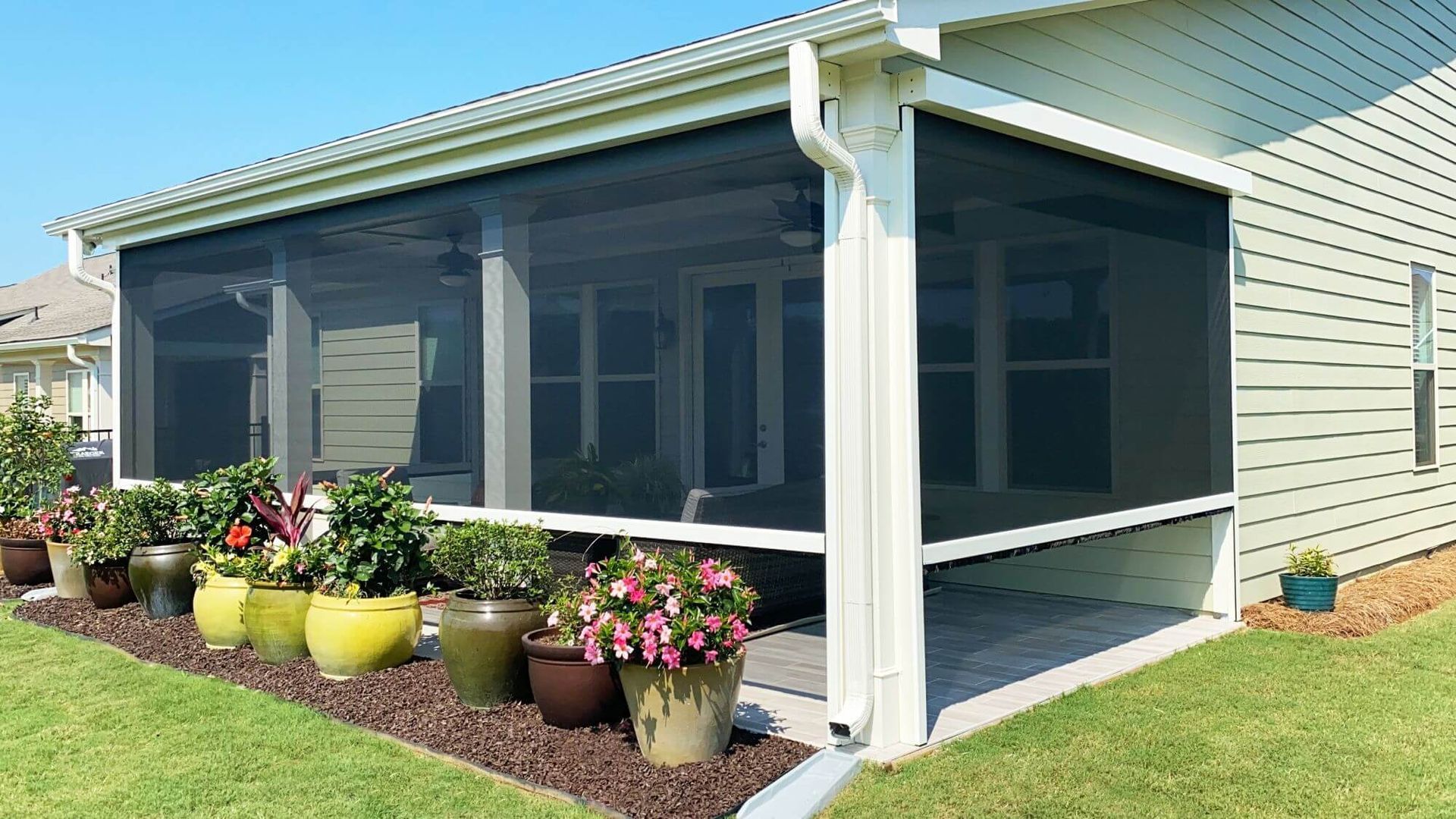
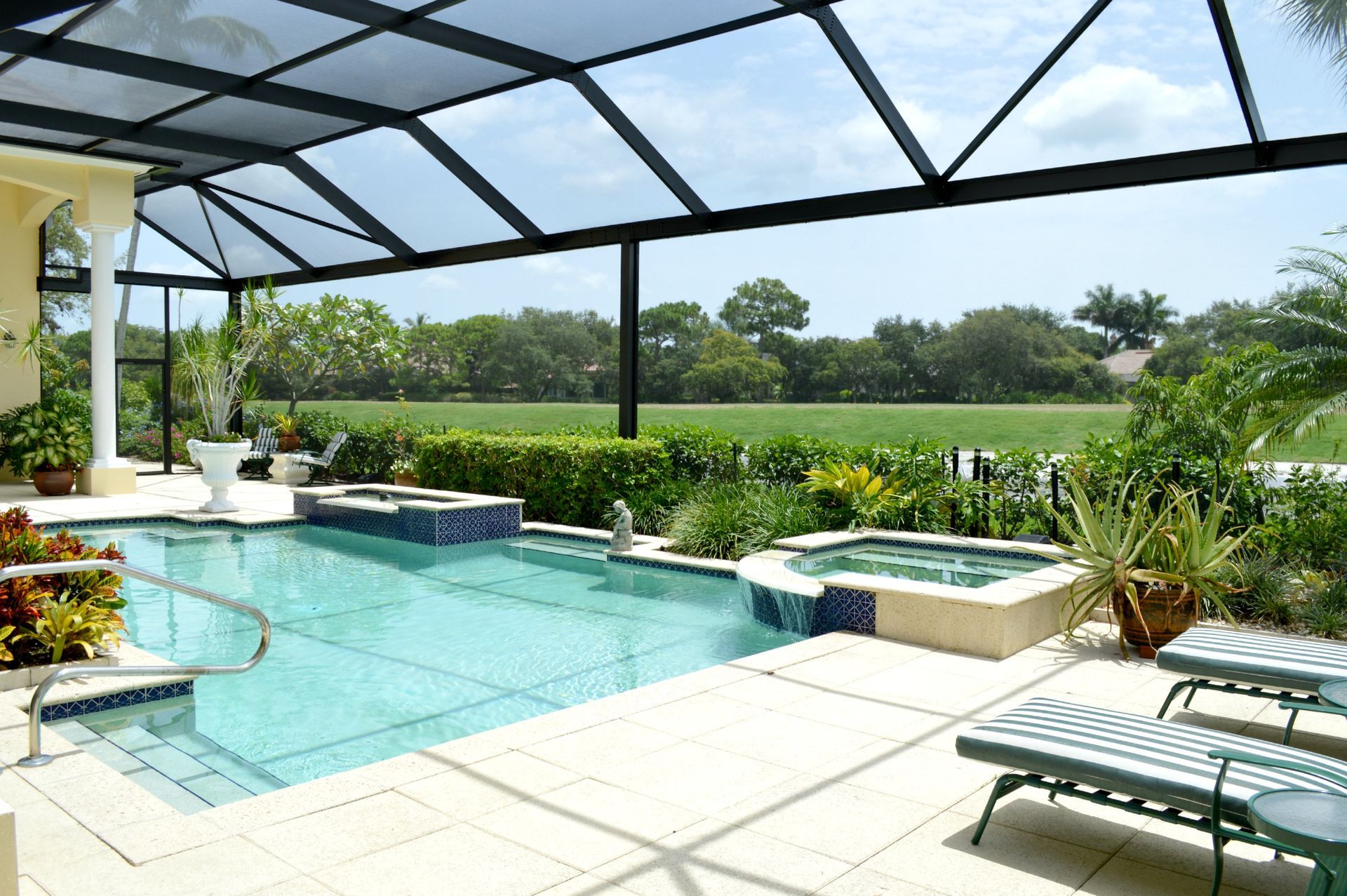
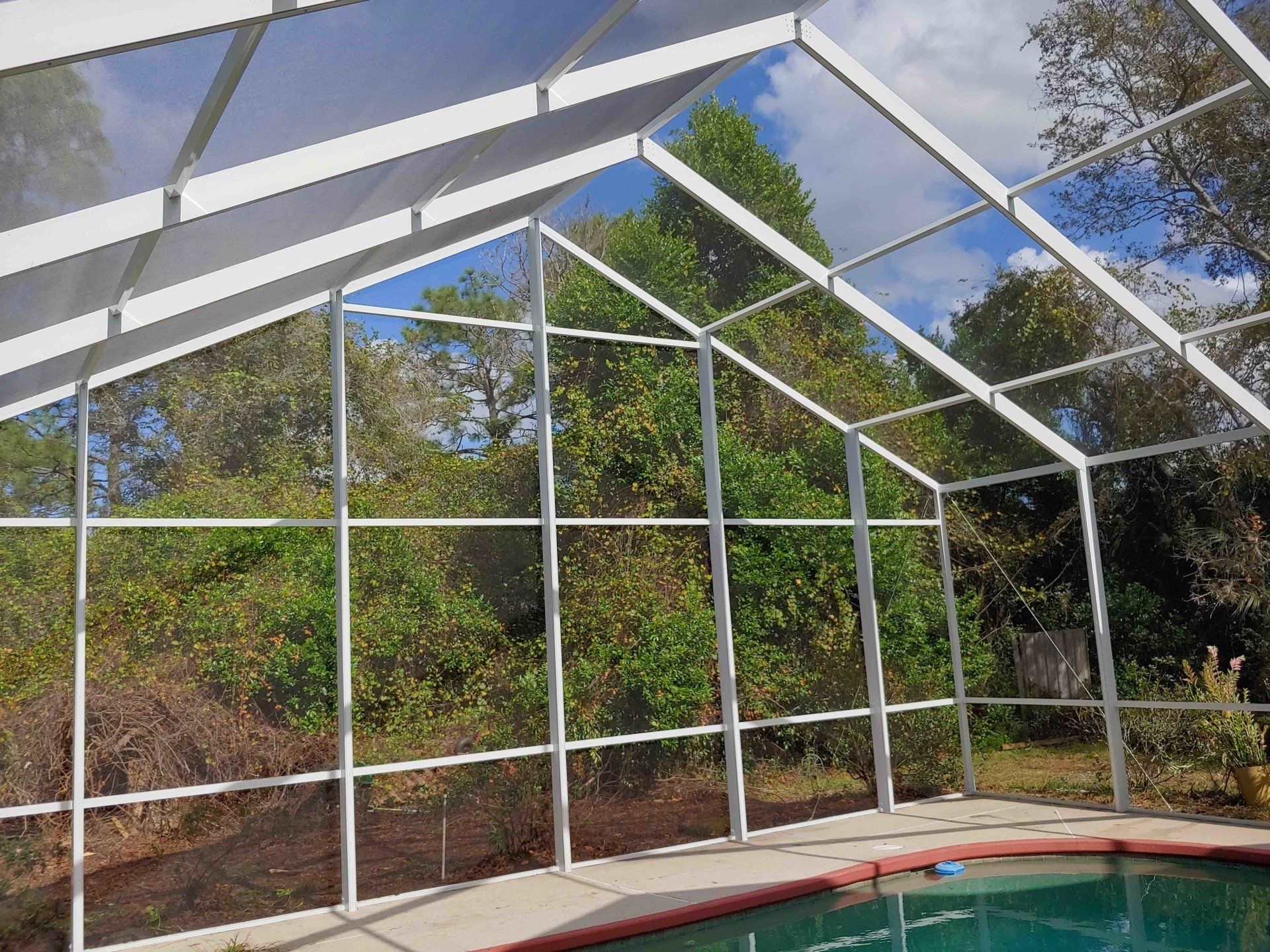
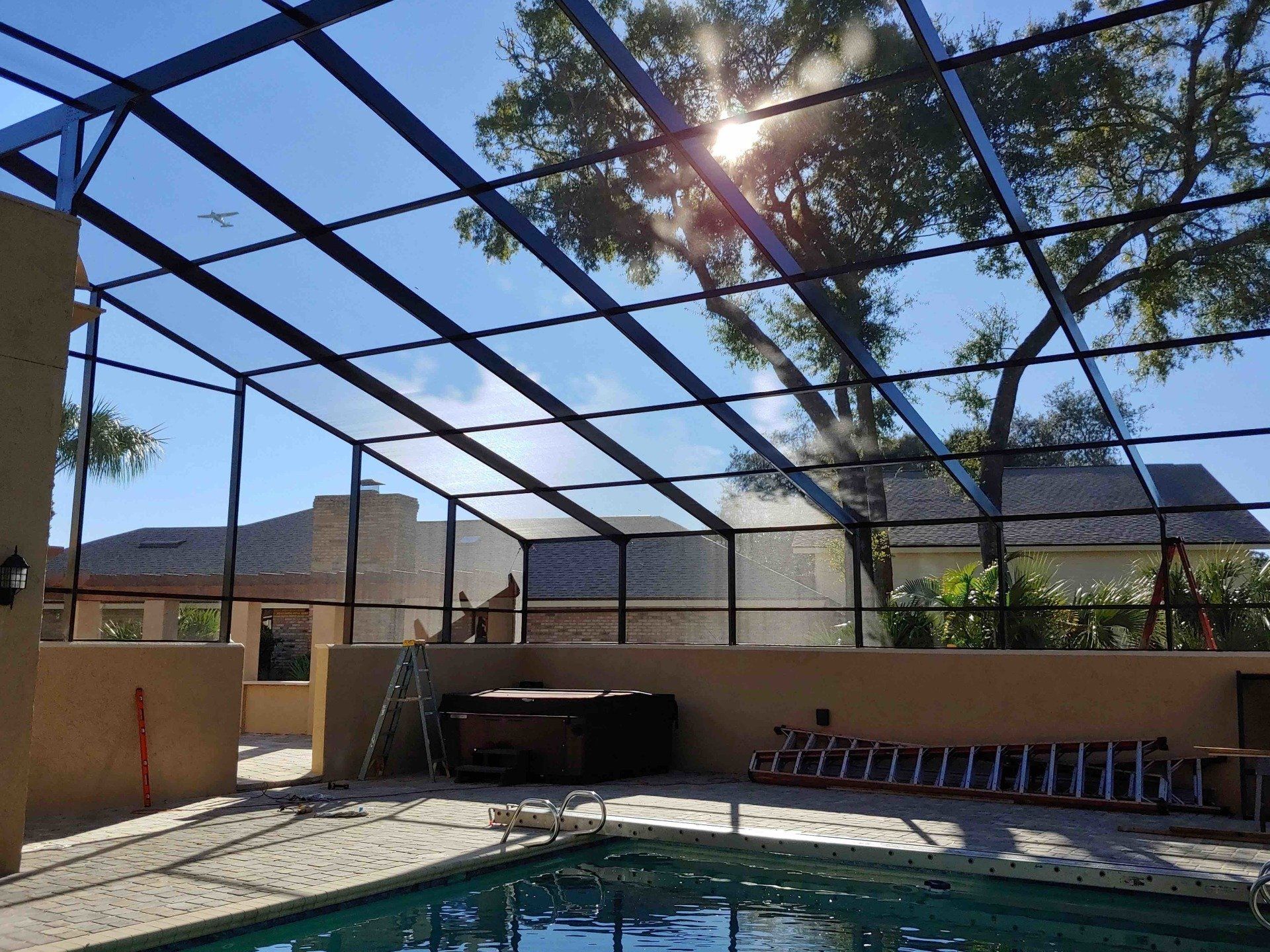
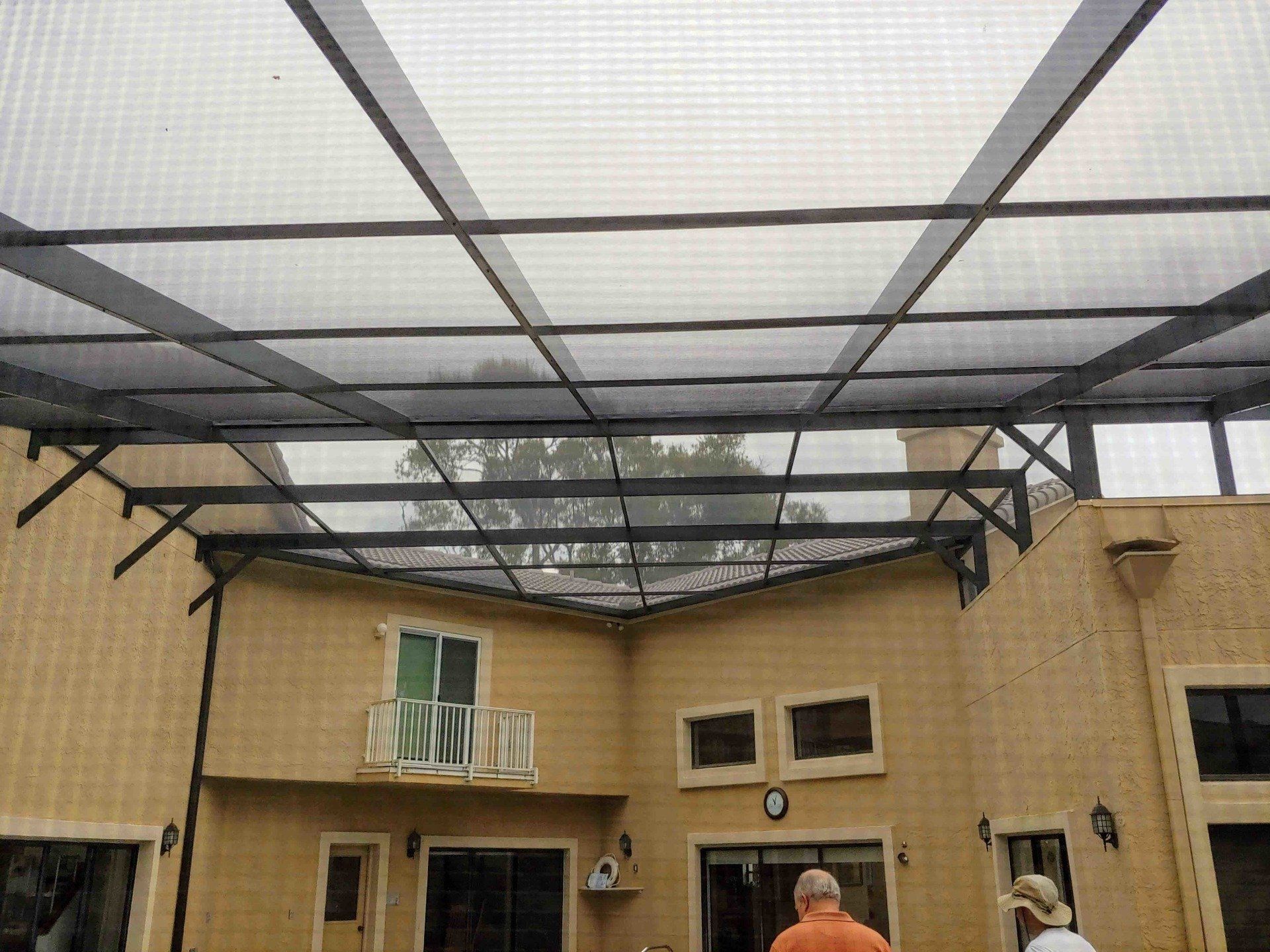
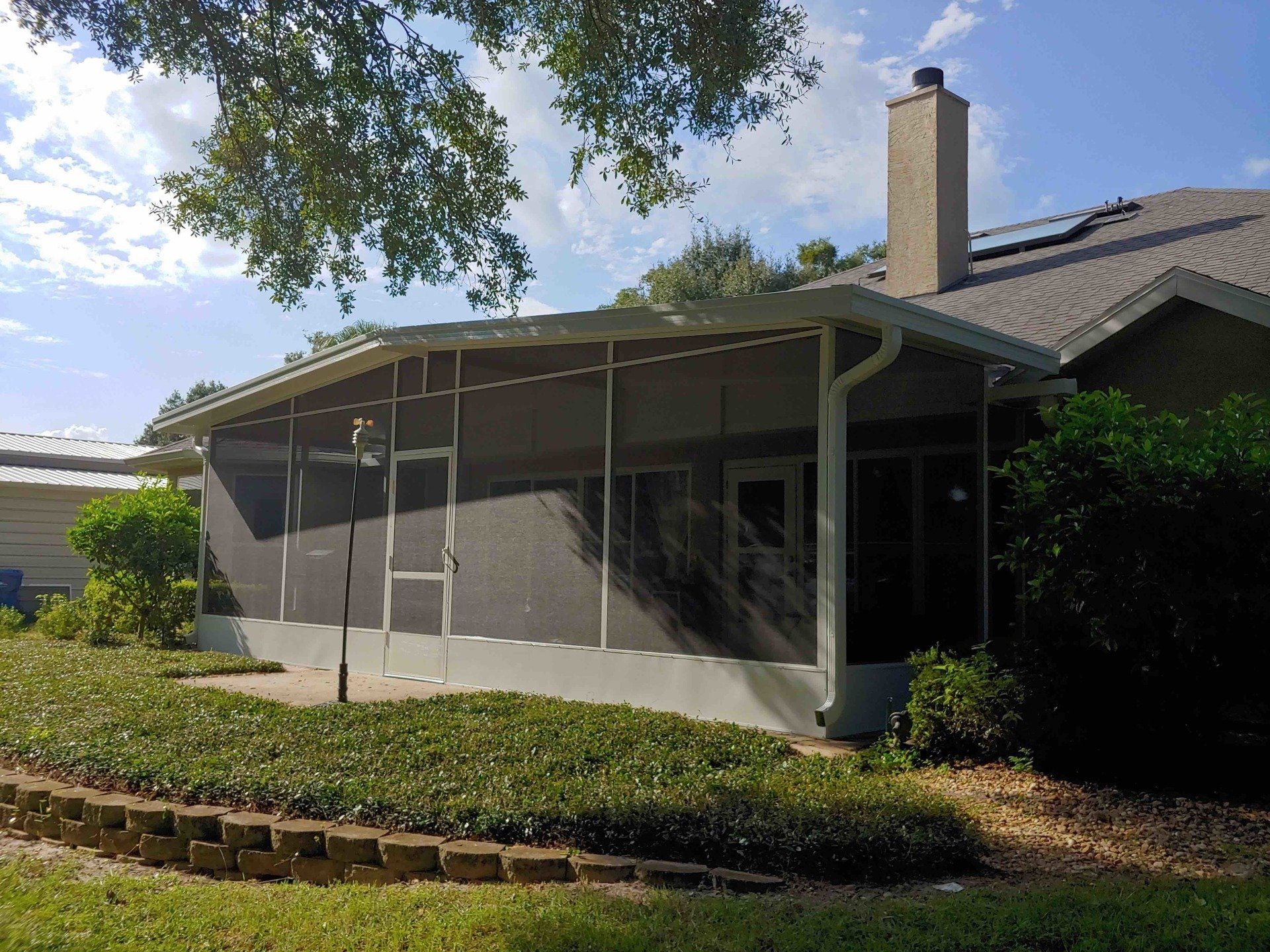
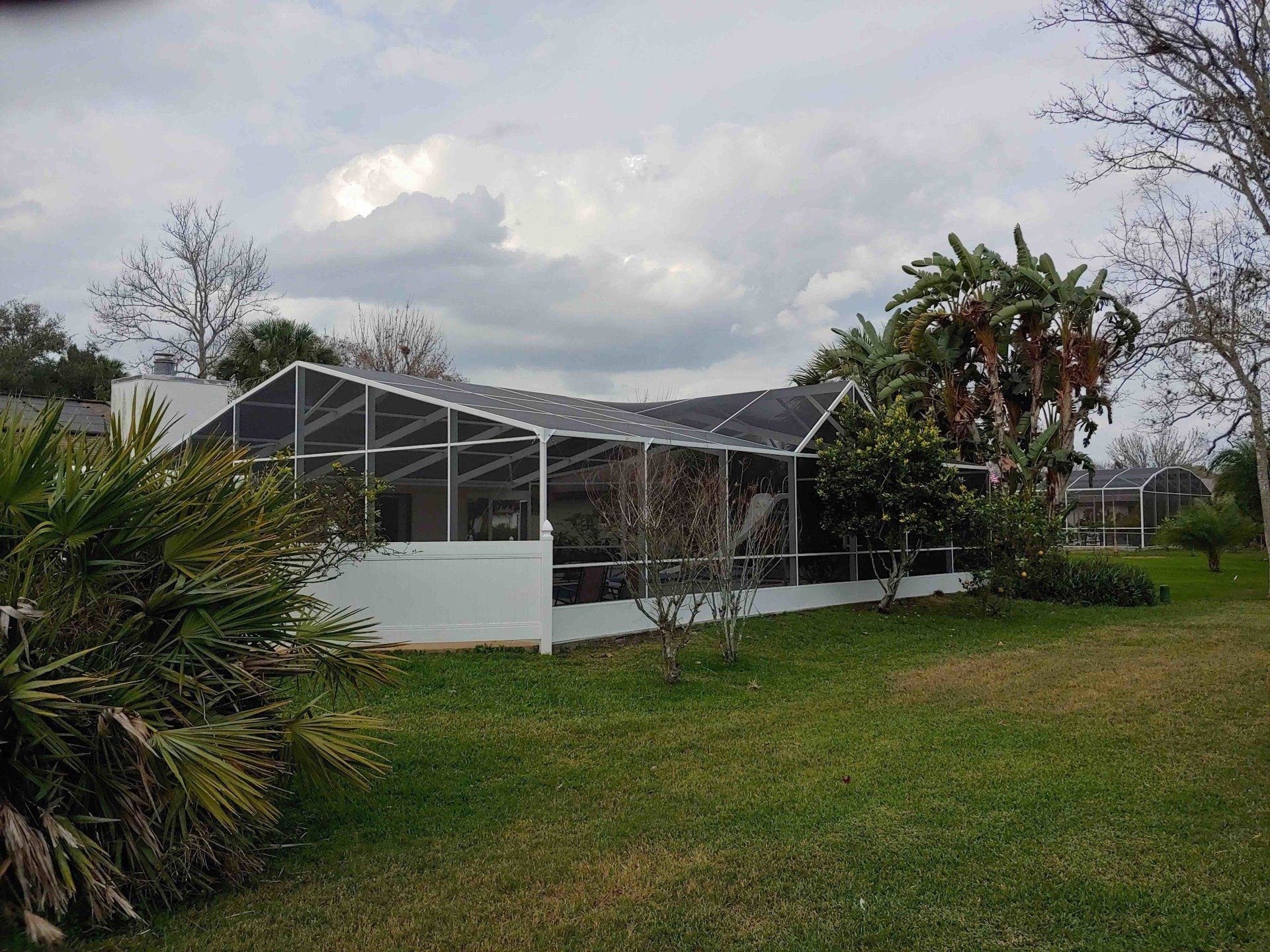
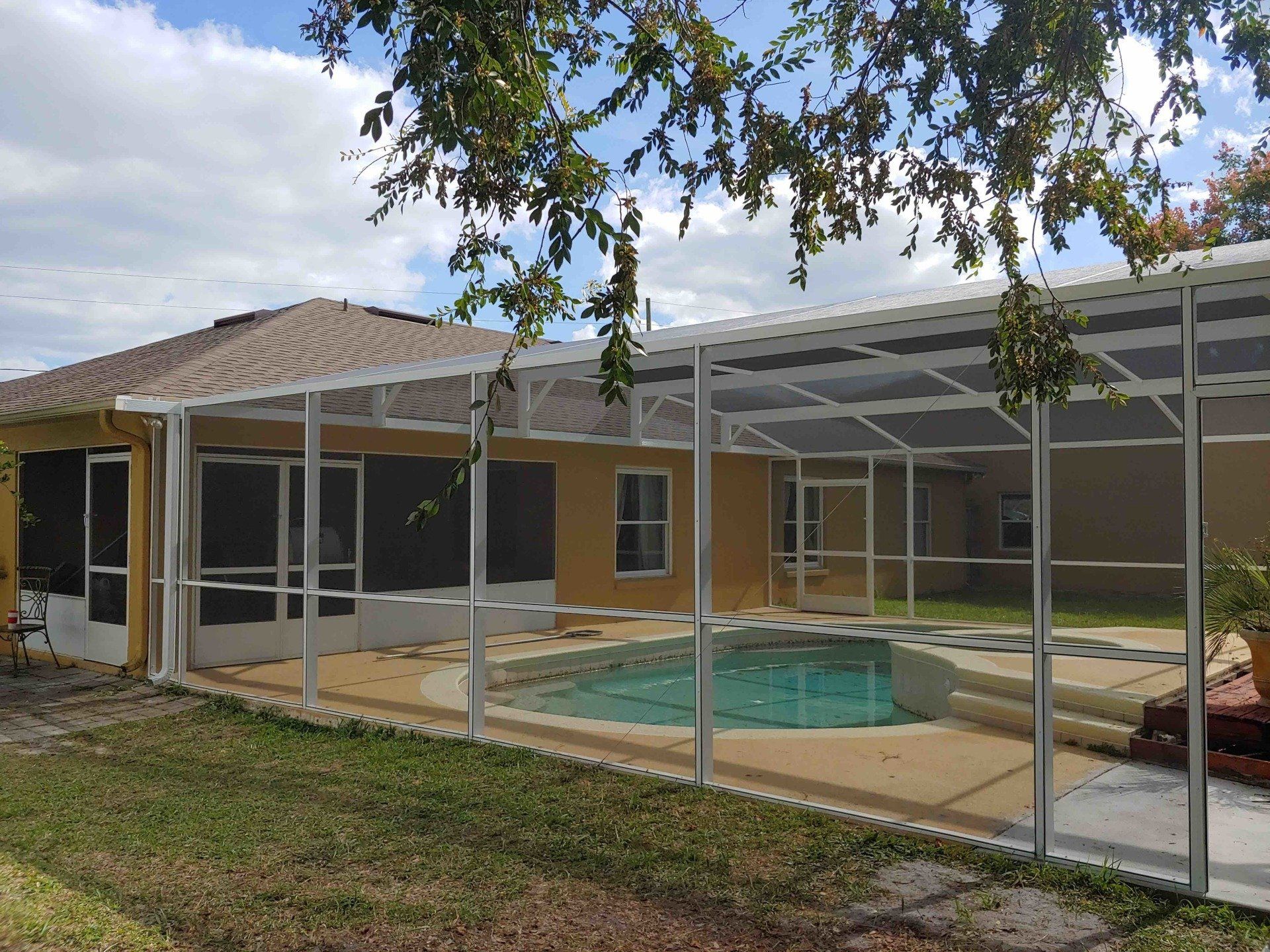
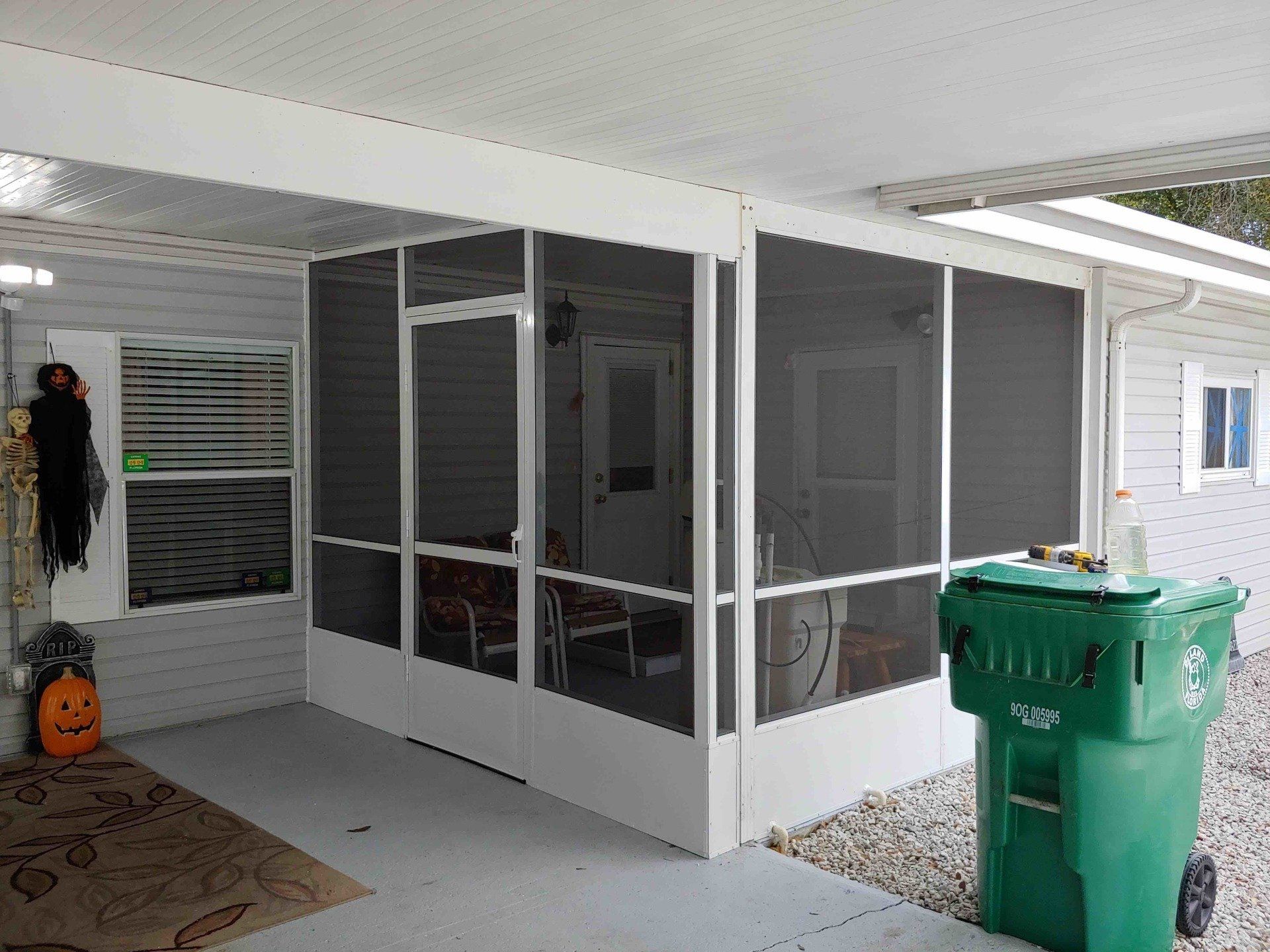
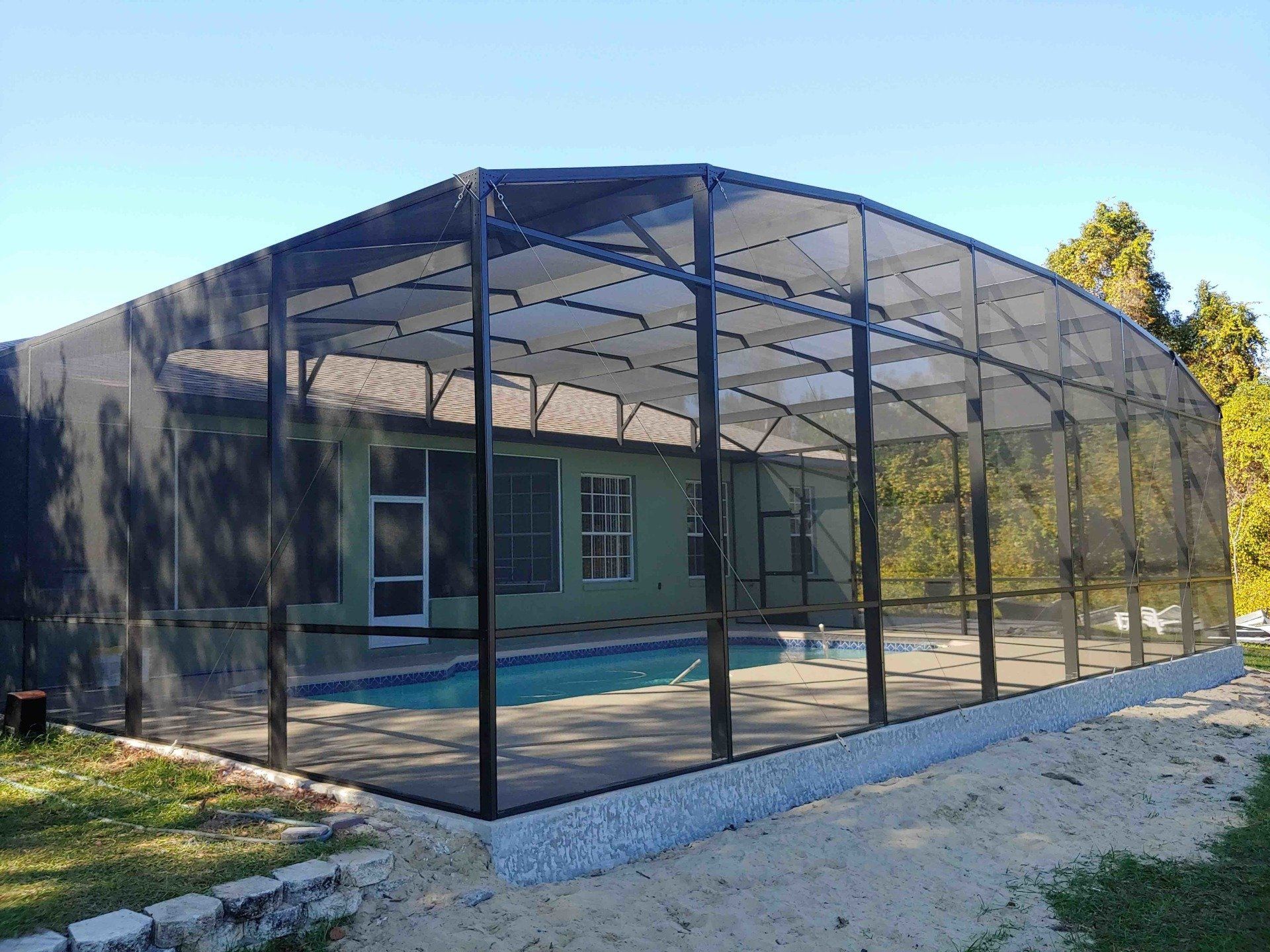
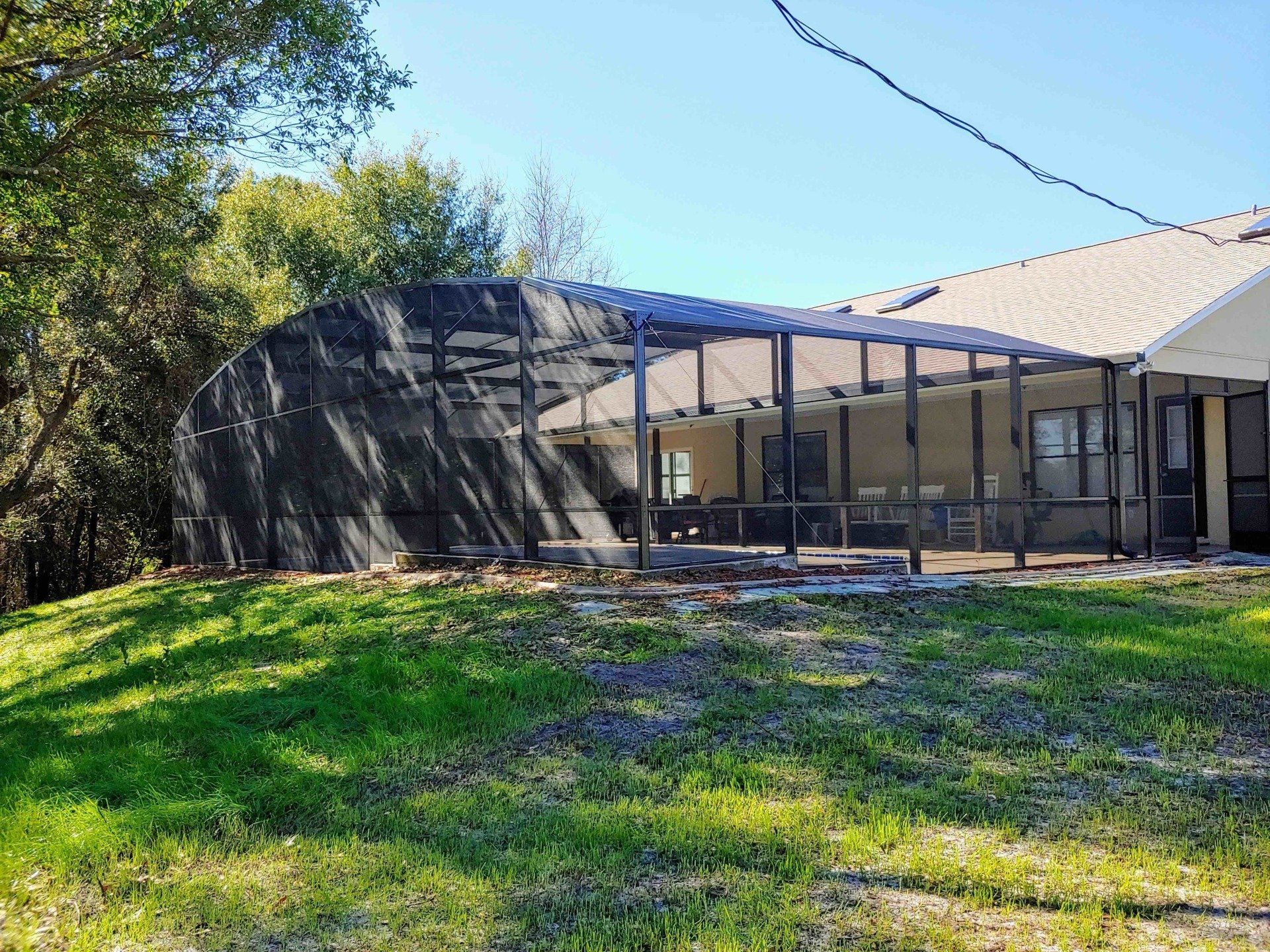
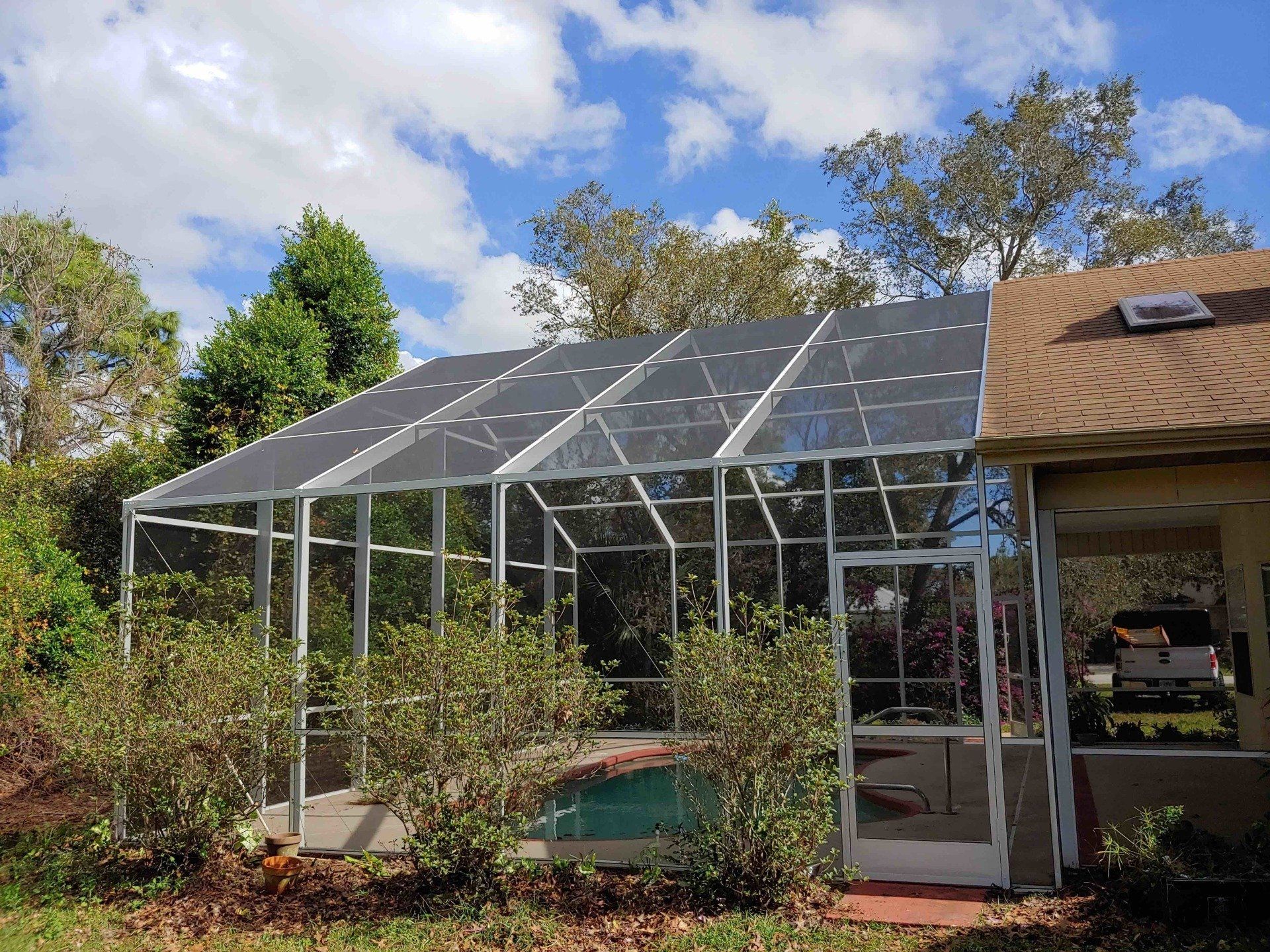
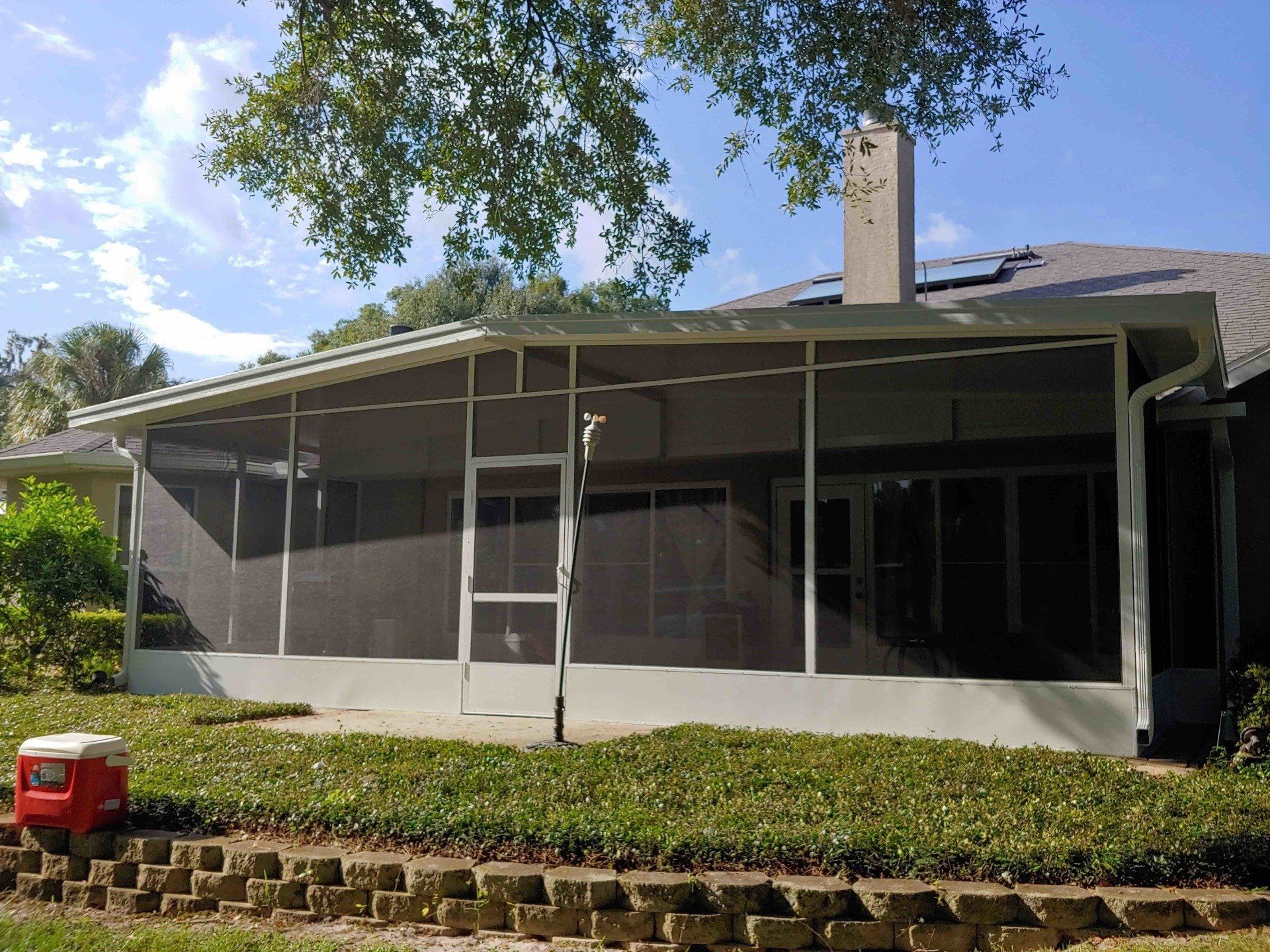
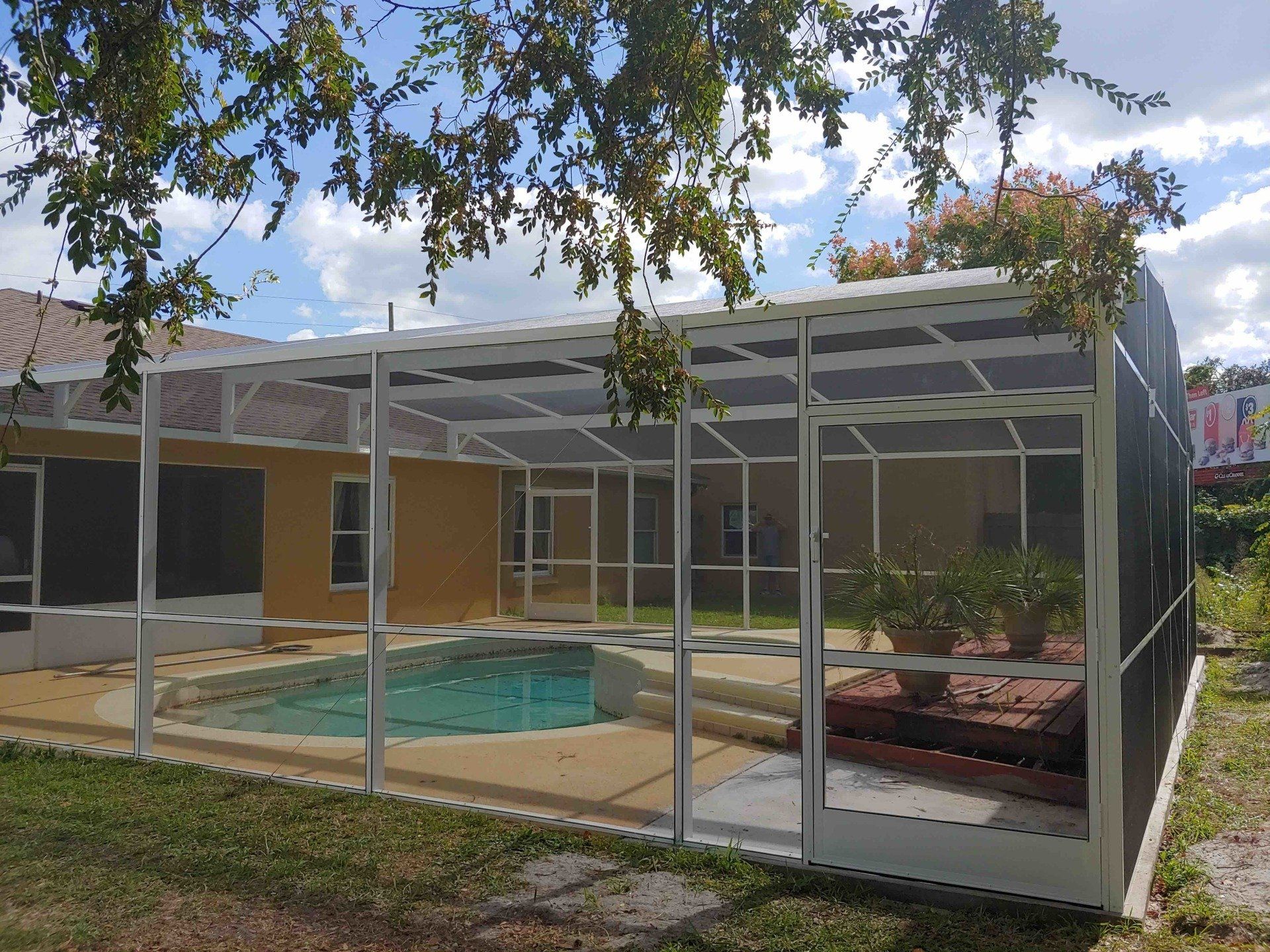
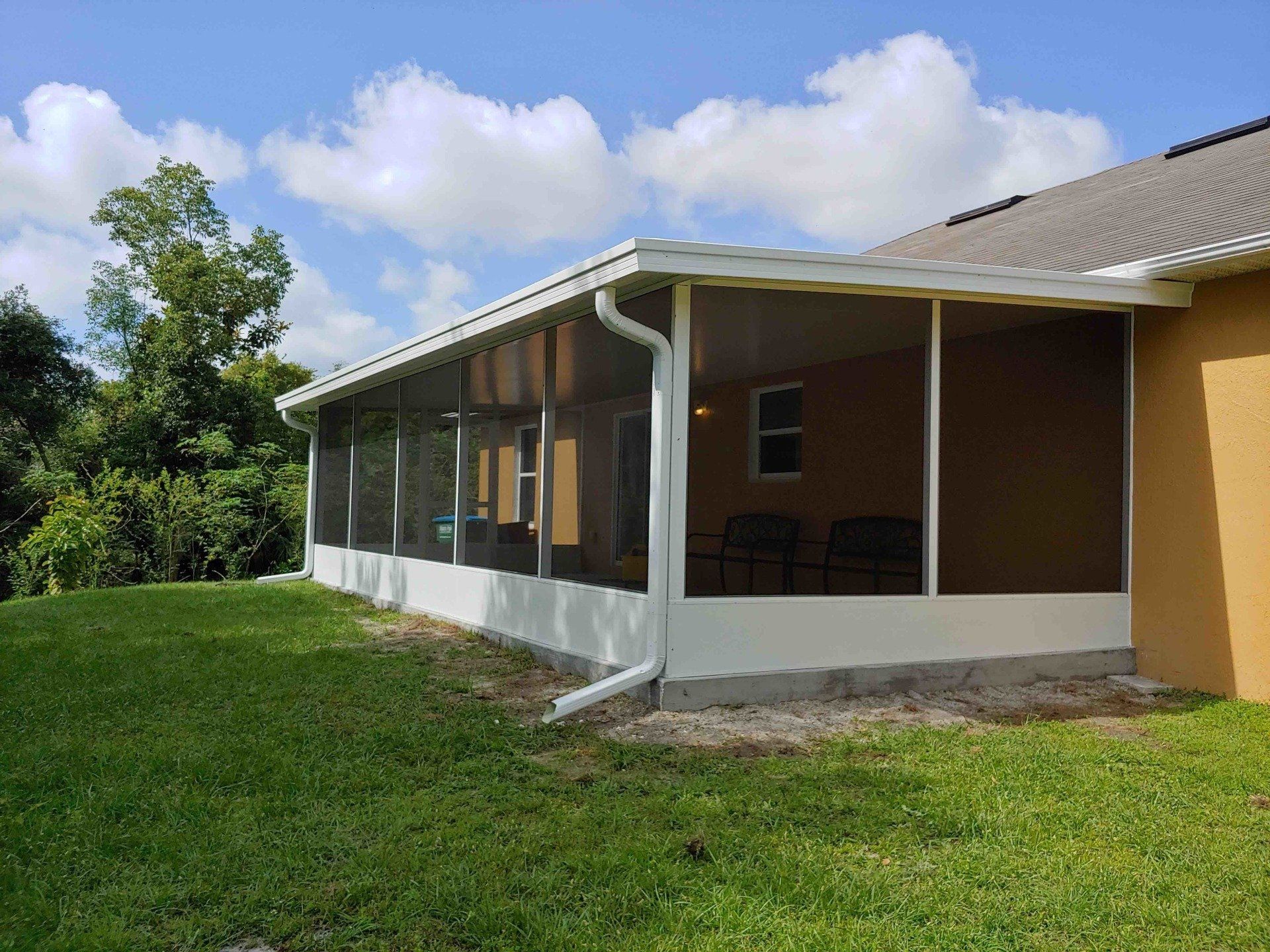
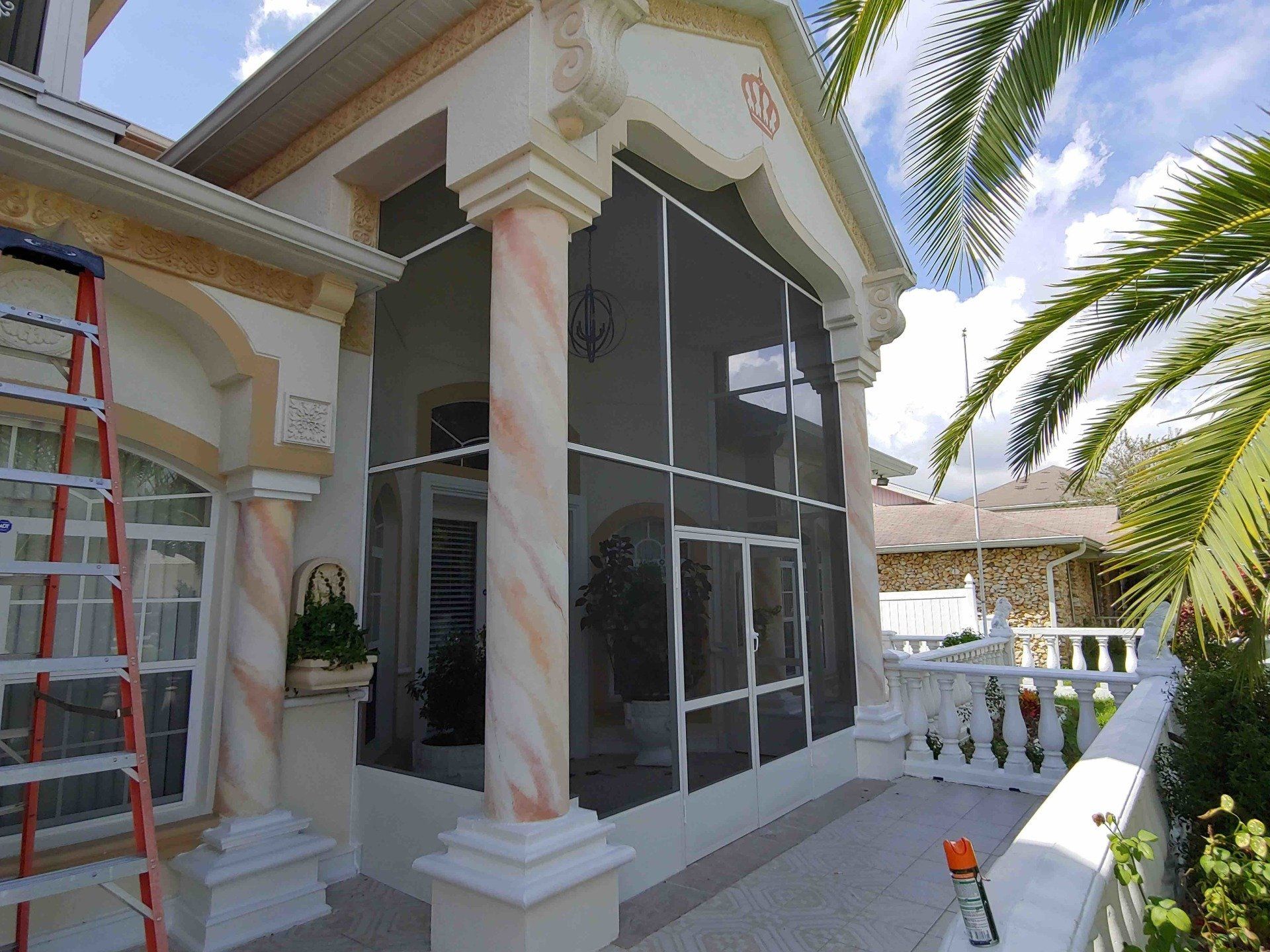
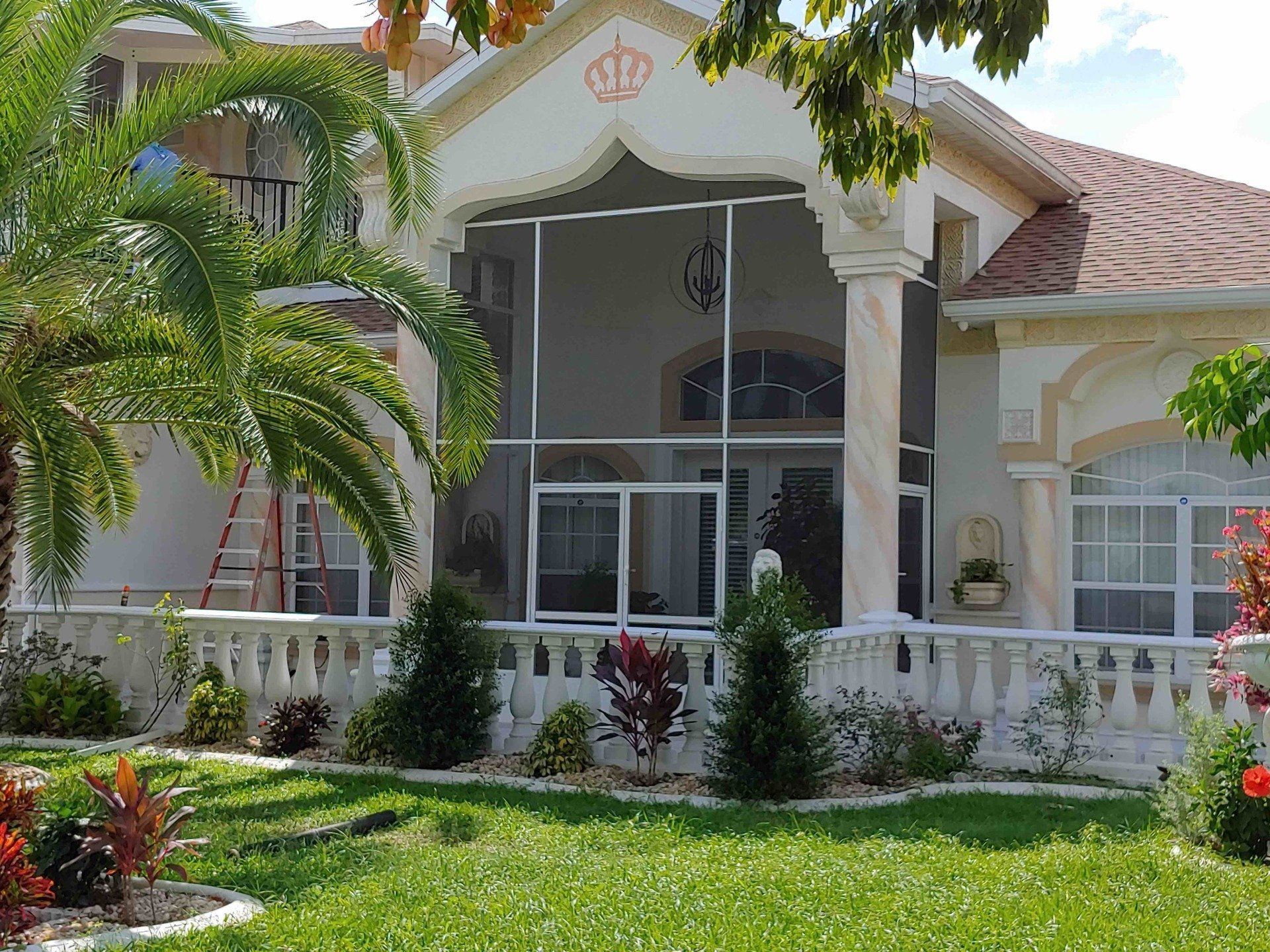
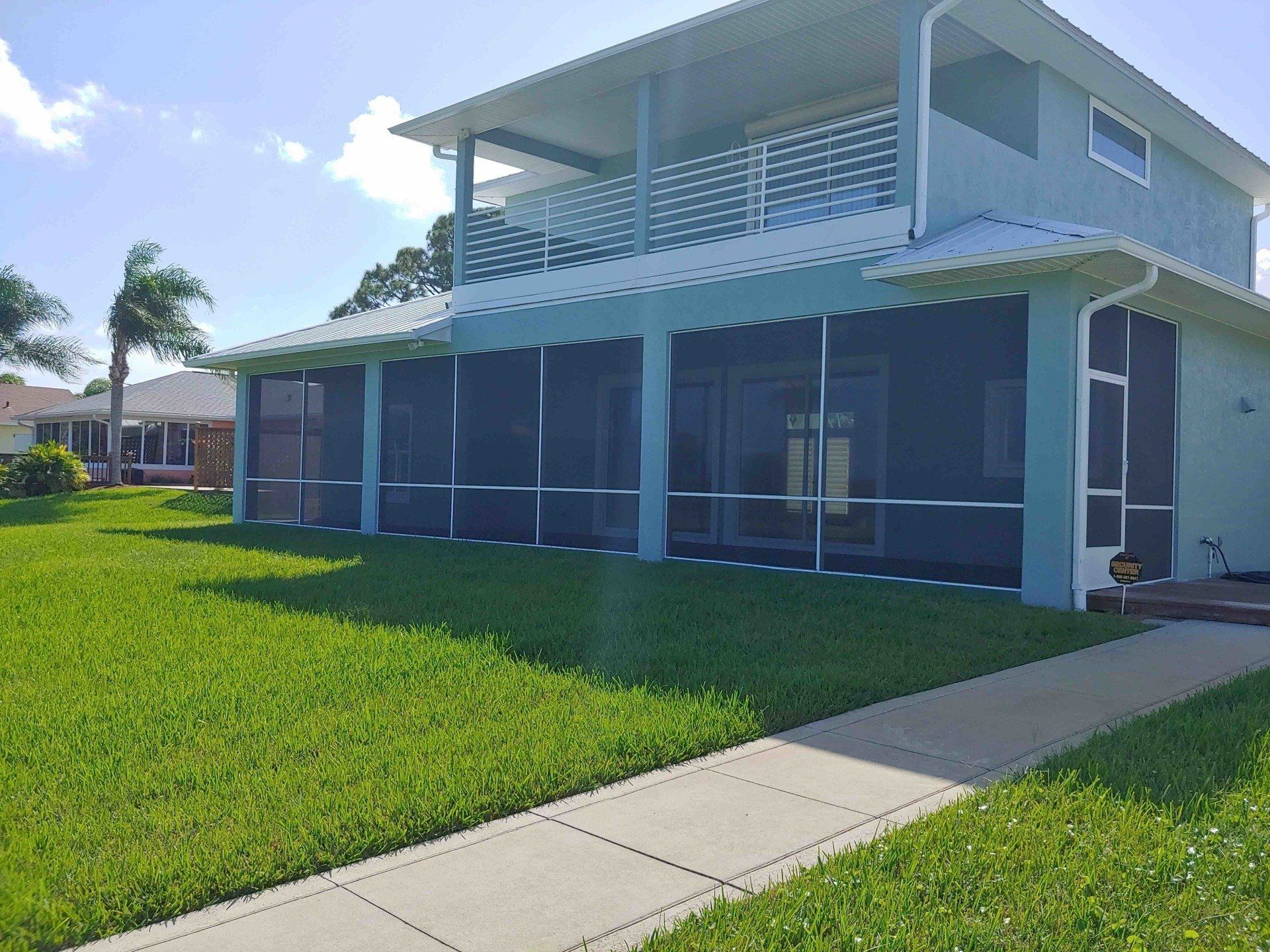
A screen room is a strong option when your main goal is a place for coffee, outdoor meals, or conversation with a breeze. You may not need the work involved in creating a conditioned room to achieve that experience.
Imagine a homeowner who already has enough indoor seating but rarely uses the patio because of insects. A well-planned screen room directly addresses the reason the patio sits empty. Paying more for glass and temperature control may offer little extra benefit if the homeowner still prefers outdoor air.
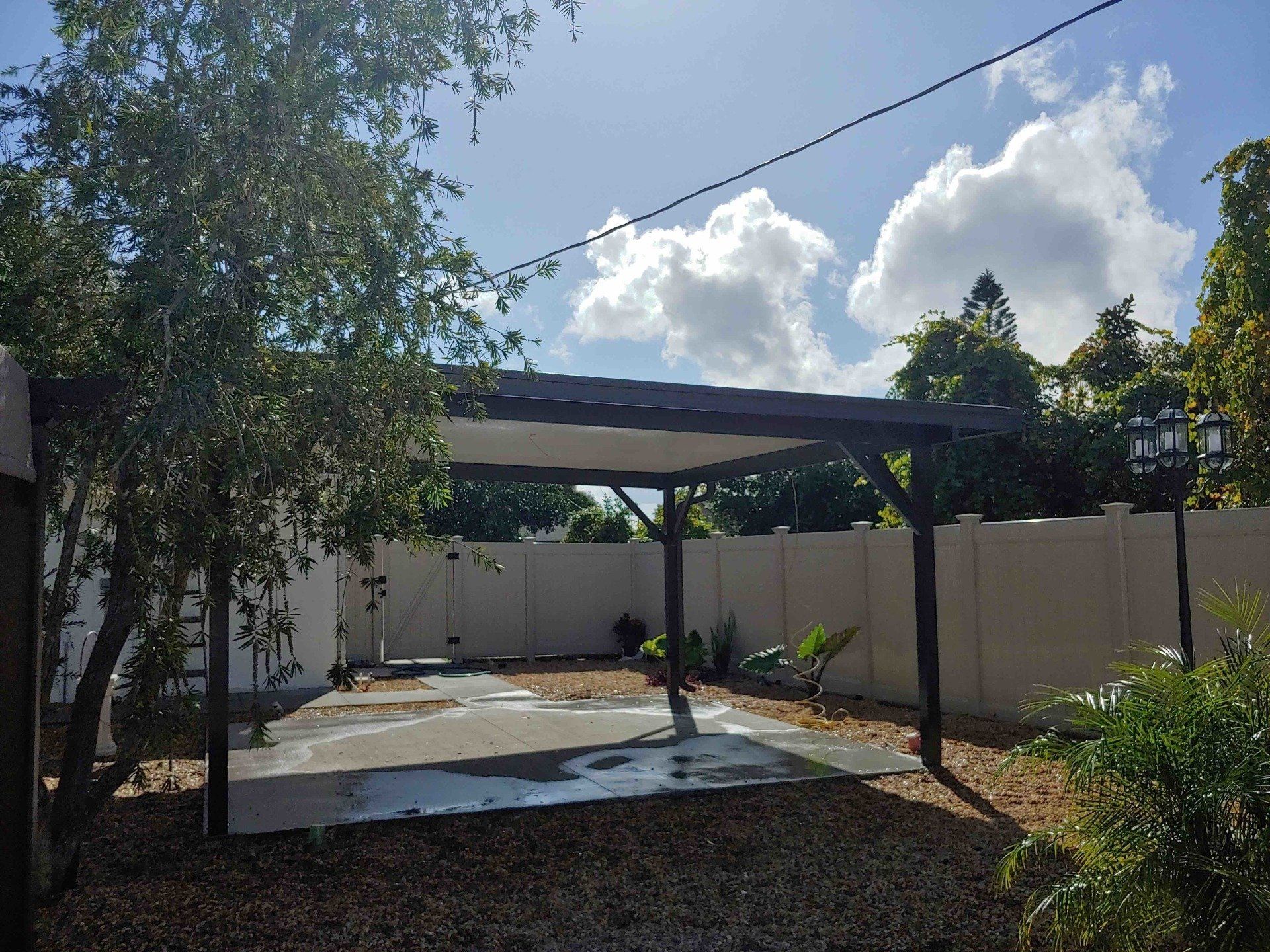
Layout matters as much as square footage. Leave enough room for chairs to pull out, a path between doors, and access for cleaning. A modest room with a comfortable furniture arrangement can be more useful than a larger enclosure with awkward circulation. Explore screen room options with those daily routines in mind.
When a sunroom may create more useful space
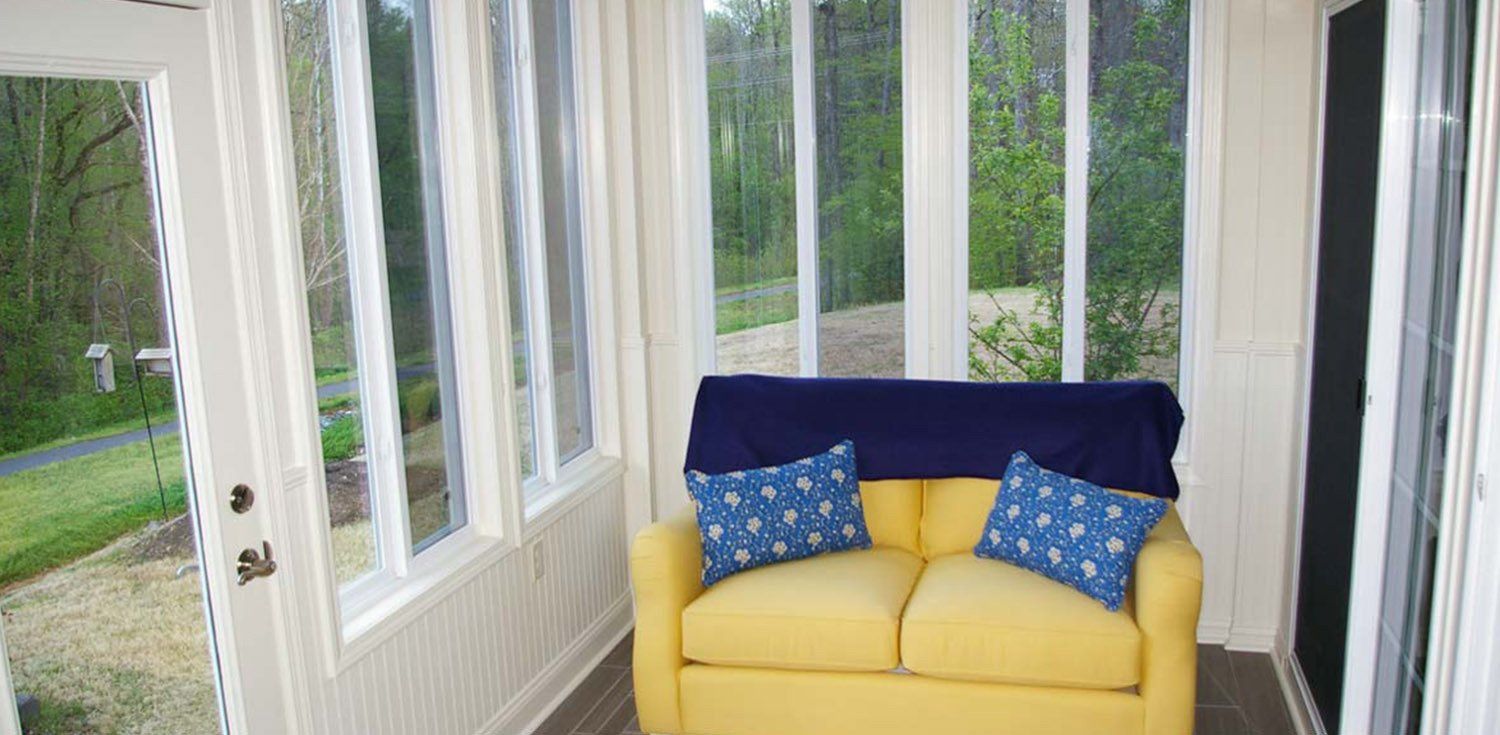
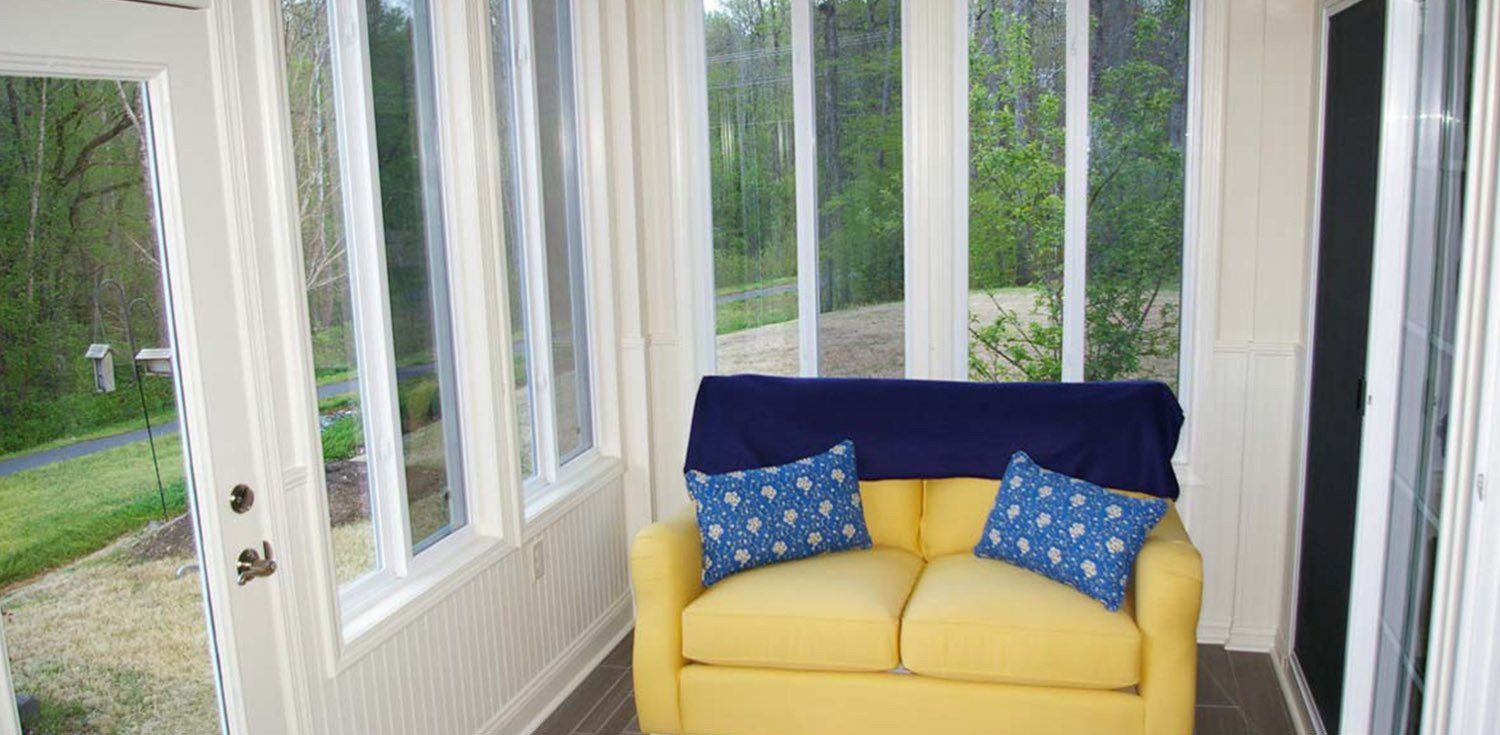
A sunroom deserves closer consideration when you want an enclosed reading room, a bright sitting area, or a room you can use comfortably across more weather conditions. Be specific about whether that means a seasonal enclosure or a room designed for heating and cooling.
“Sunroom” describes a broad range of projects. Glass walls alone do not establish indoor comfort. Roof construction, exposure to afternoon sun, glazing, air sealing, and moisture management all influence how the finished room feels.
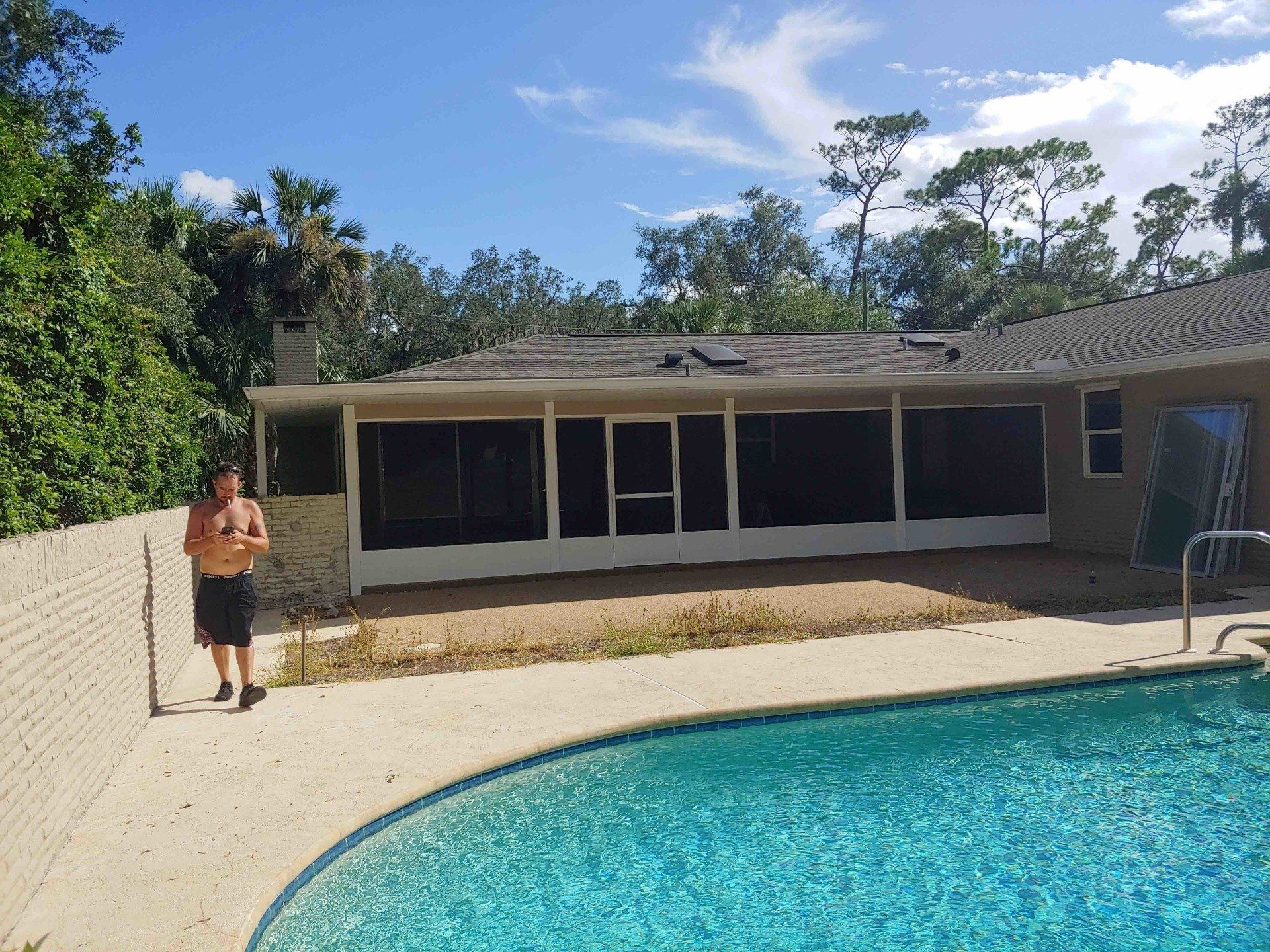
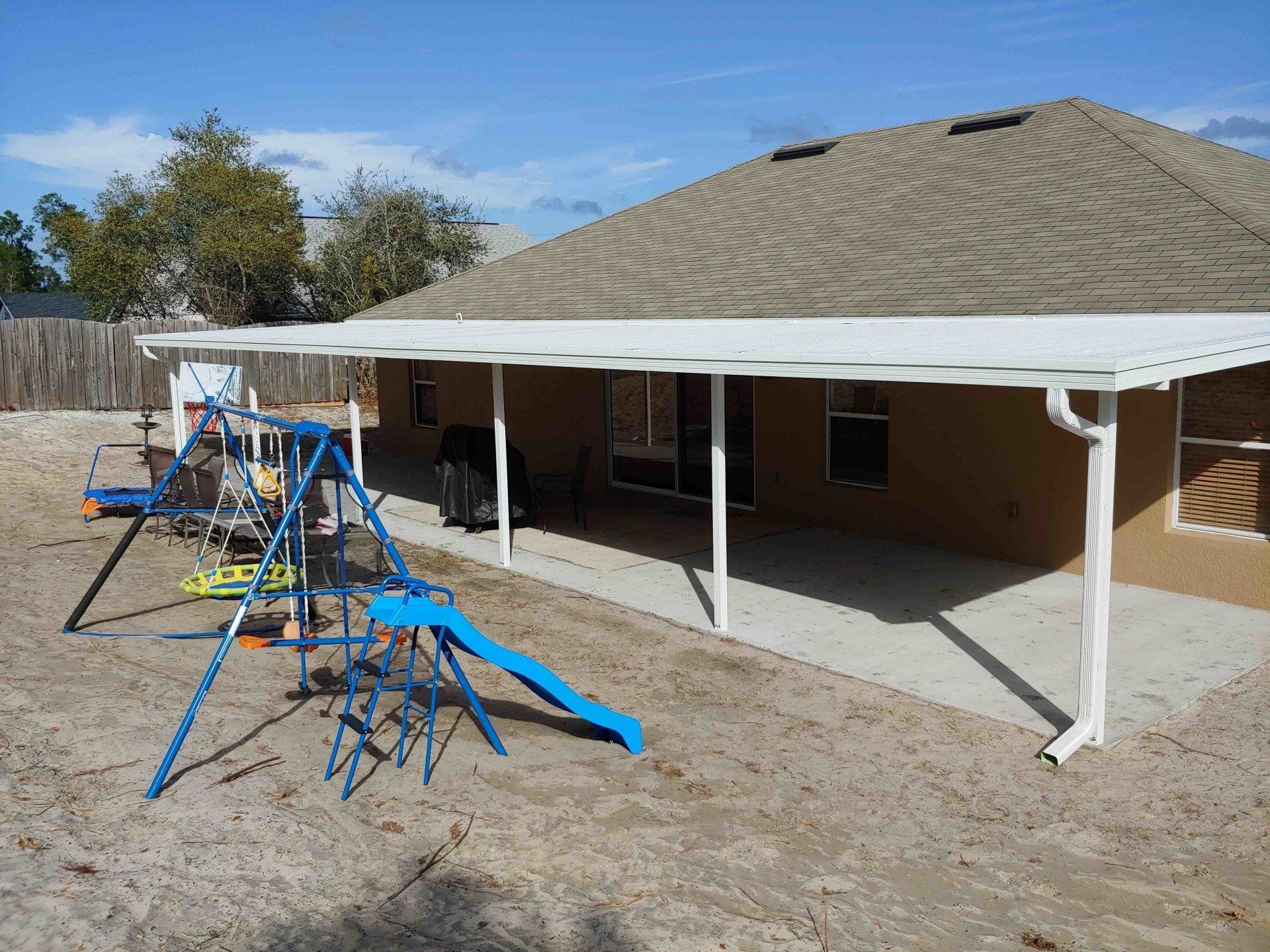
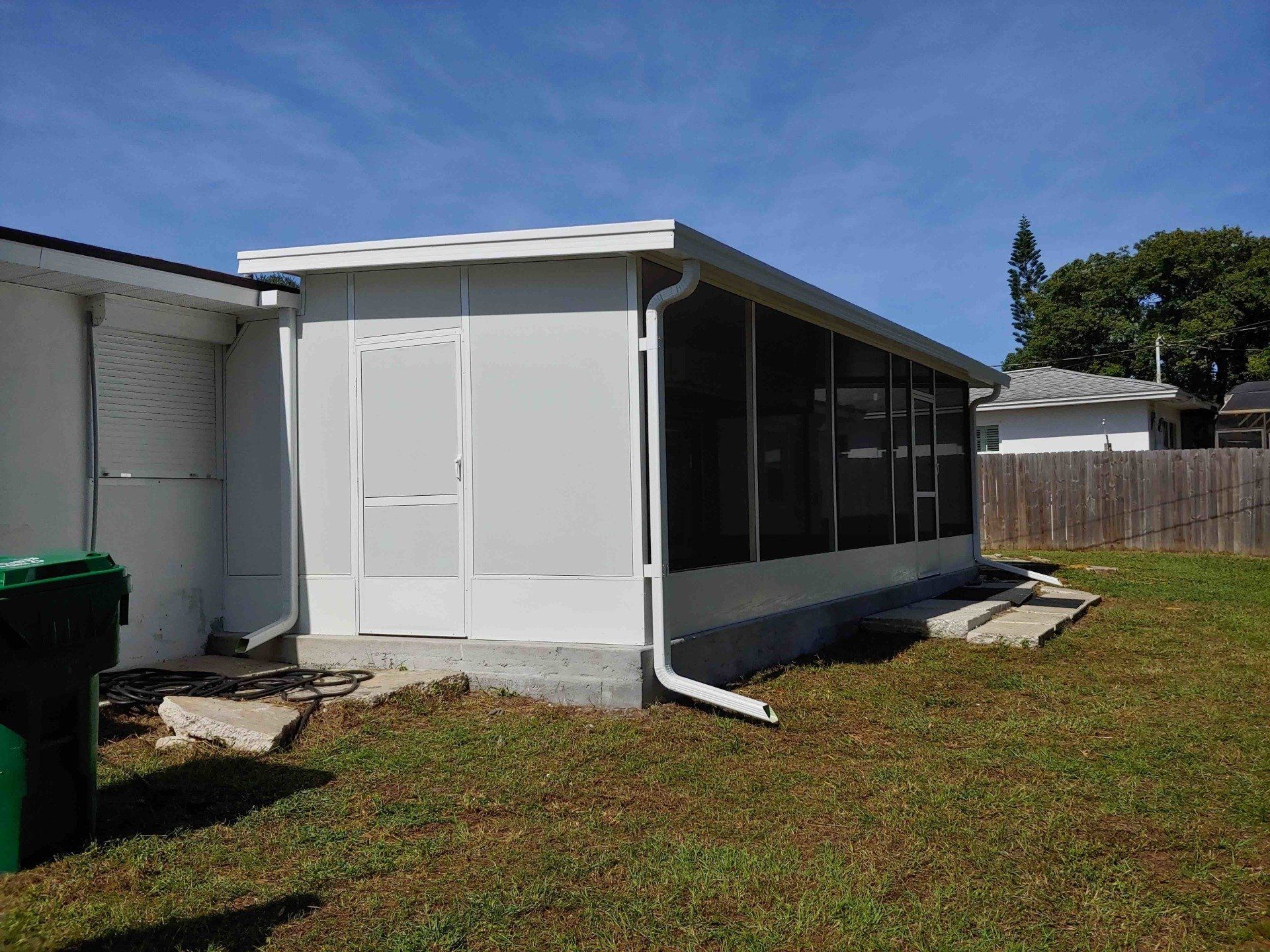
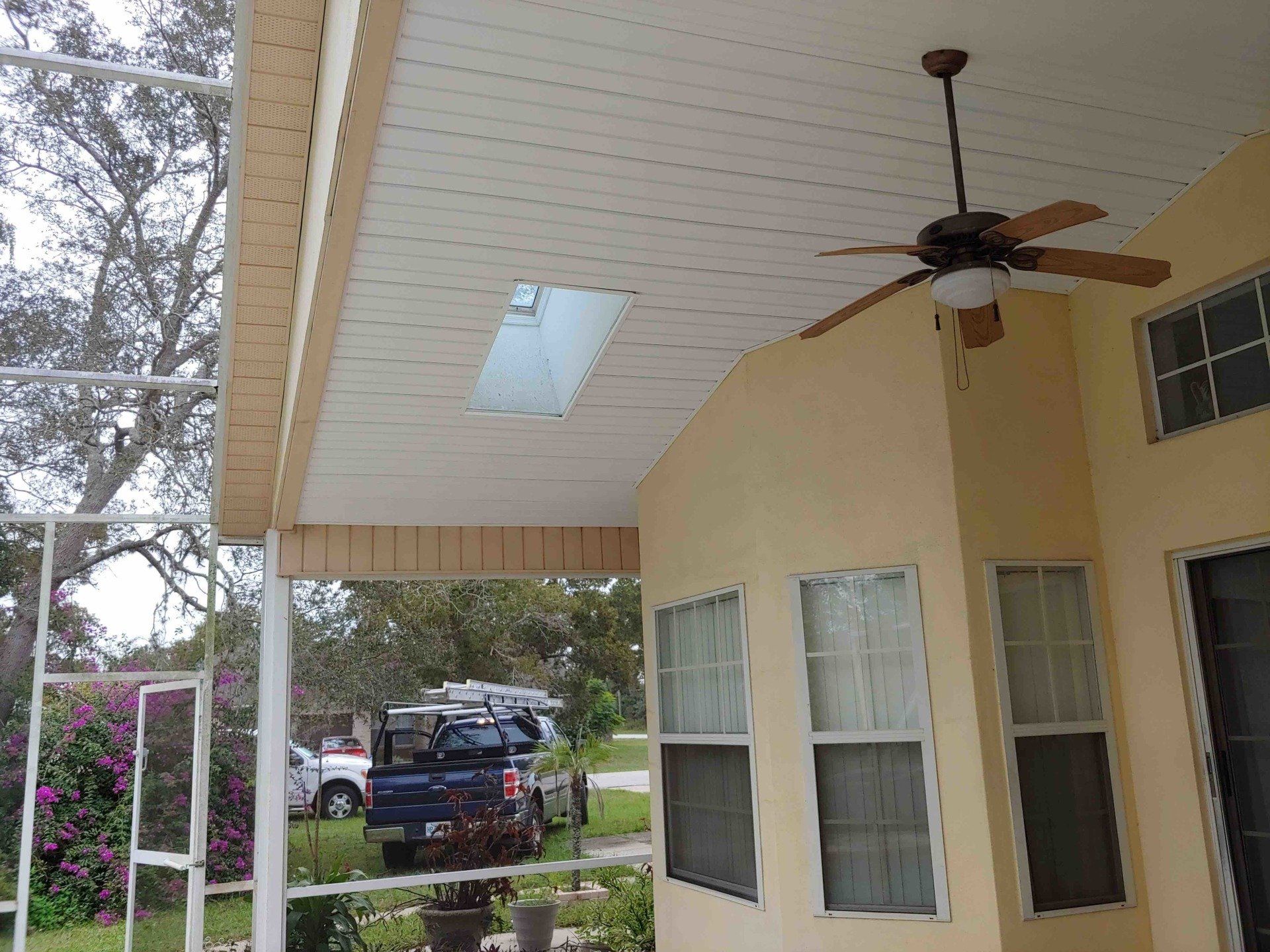
If you have an existing porch, ask whether its slab, roof, and structure can support the proposed use before assuming a conversion will be inexpensive. A First Class Aluminum’s sunroom and screen porch conversion service is a starting point for that assessment.
Will a sunroom count as living space?
Do not assume that adding windows or an air conditioner makes an enclosure equivalent to the home’s existing finished area. Permitting, appraisal measurement, and listing descriptions are separate issues.
Fannie Mae’s appraisal guidance distinguishes categories of finished area and requires support for the appraisal’s treatment of improvements. Ask a qualified local appraiser how the proposed design would be classified and valued. A room may contribute value even if it is reported separately from the main home’s finished area.
Before building mainly for resale, also ask a local real estate professional for comparable sales with similar outdoor or enclosed spaces. The relevant comparison is your neighborhood, home type, and price range—not a national percentage applied to every project.
Compare complete costs rather than headline prices
Request estimates that explain what is included and what could change. For a conversion, pay particular attention to the slab, existing roof, water entry, openings, finishes, and any electrical or mechanical work. A lower starting price can become less attractive if essential work appears later as an addition.
Also consider ownership costs. Screens may eventually need replacement. Windows and doors need cleaning and maintenance. A conditioned space may add utility costs. Get written warranty terms for the actual products and installation rather than assuming all components share one coverage period.
A simple way to choose
- Choose around your routine: Write down the three activities you expect to do in the room most often.
- Set a complete budget: Include supporting work, finishes, and a contingency for conditions that cannot be confirmed before construction.
- Test the resale assumption: Get local input before relying on an expected value increase.
- Compare feasible designs: Have the existing house evaluated so both options reflect what can actually be built.
See what makes sense for your home
The best value is a room that fits the house, solves a real need, and has a cost you understand. Browse A First Class Aluminum’s project gallery, then request an estimate to compare a screen room and sunroom for your property. Call 386-228-3933 to start with your goals and existing space.