Rescreen, Repair, or Replace Your Pool Enclosure? A Volusia County Homeowner’s Guide
Rescreening makes sense when the mesh needs attention and the enclosure structure remains suitable for continued use. Repairs address specific problems. Replacement becomes worth evaluating when deterioration, damage, or an outdated layout makes piecemeal work a poor fit. The decision starts with the frame and its connections, not simply the number of torn panels.
A pool cage can look tired without needing complete replacement. It can also look reasonably straight while having problems that a photograph will not reveal. Before spending money on new mesh, arrange an assessment of the structure that will hold it.
Separate screen wear from structural concerns
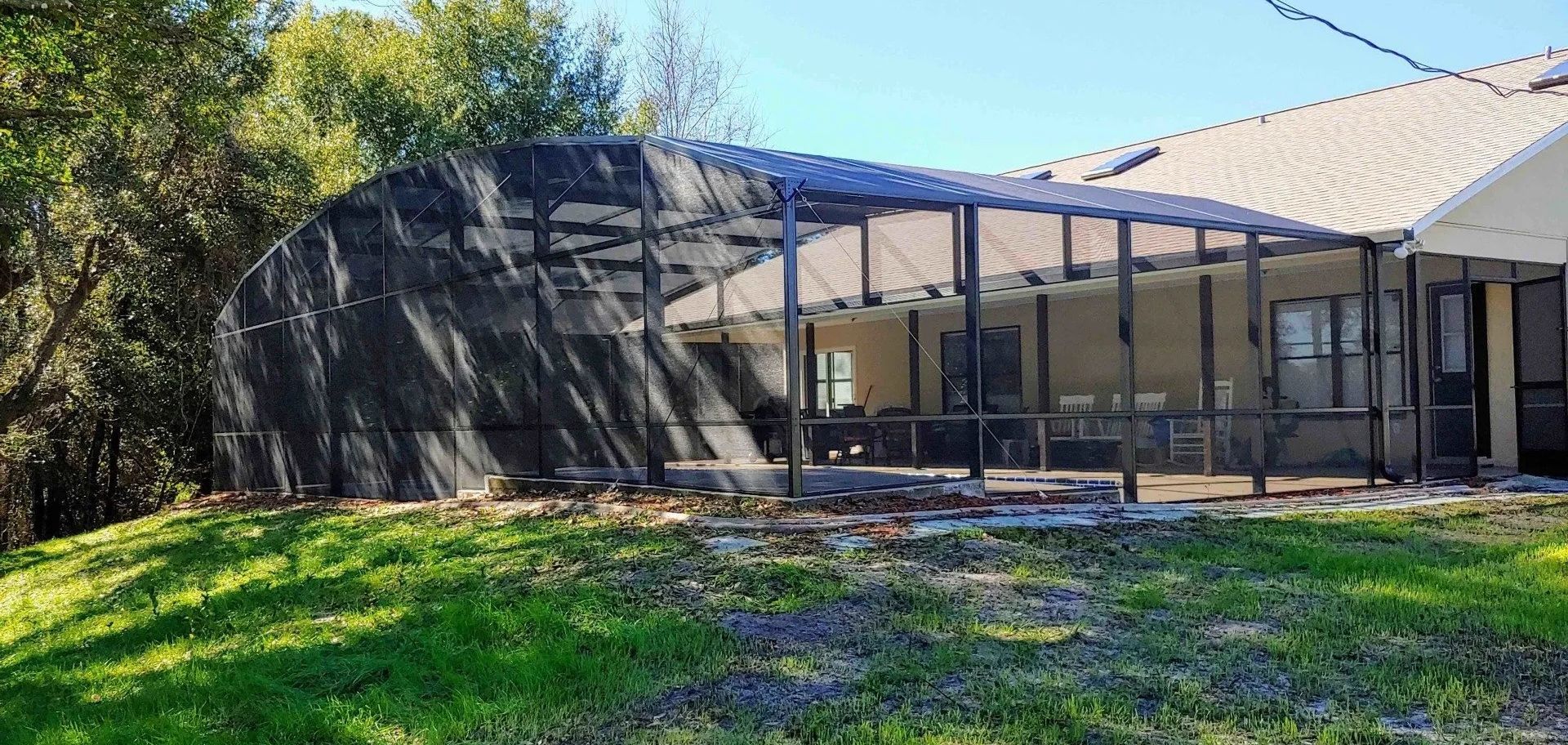
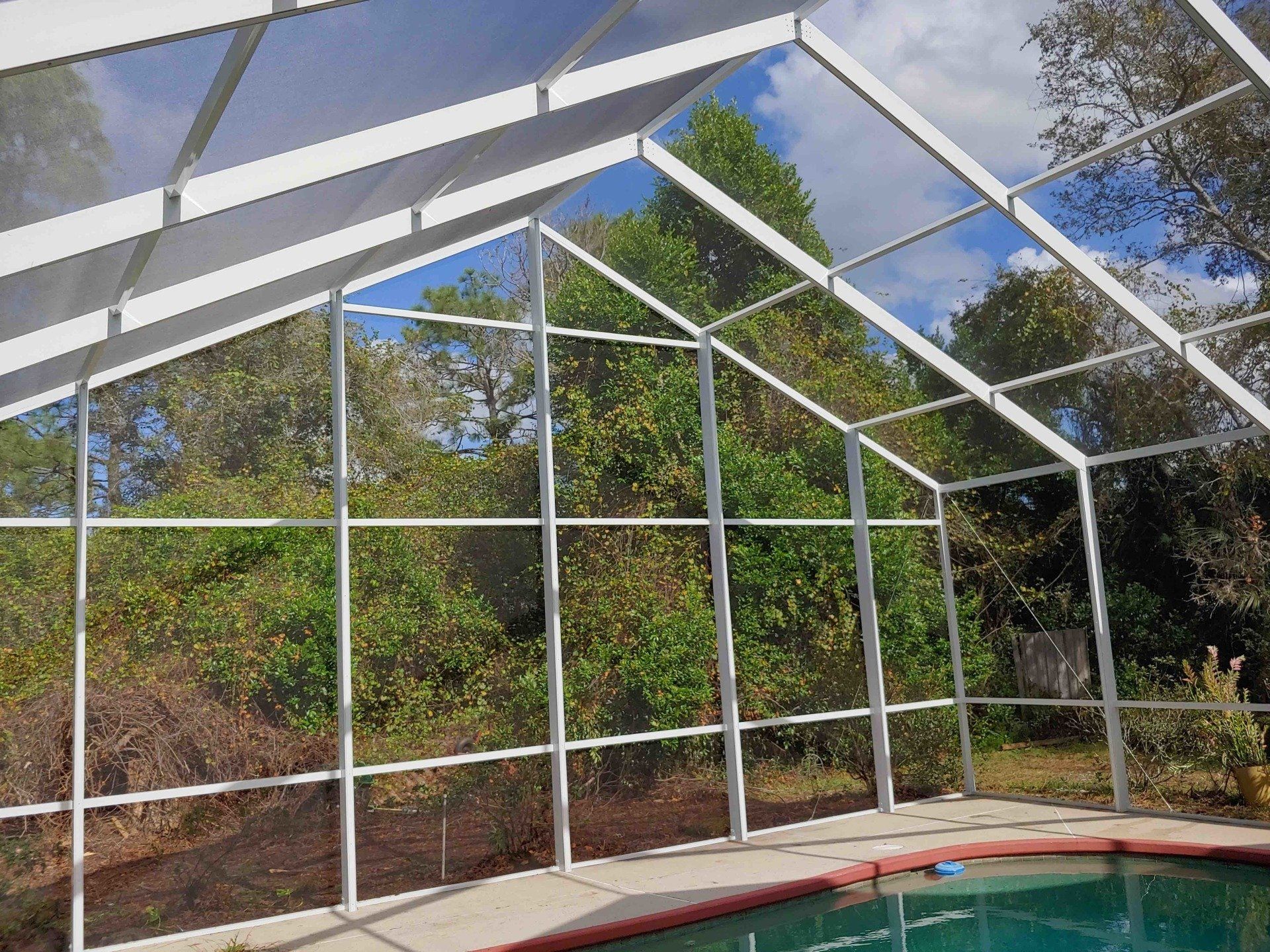
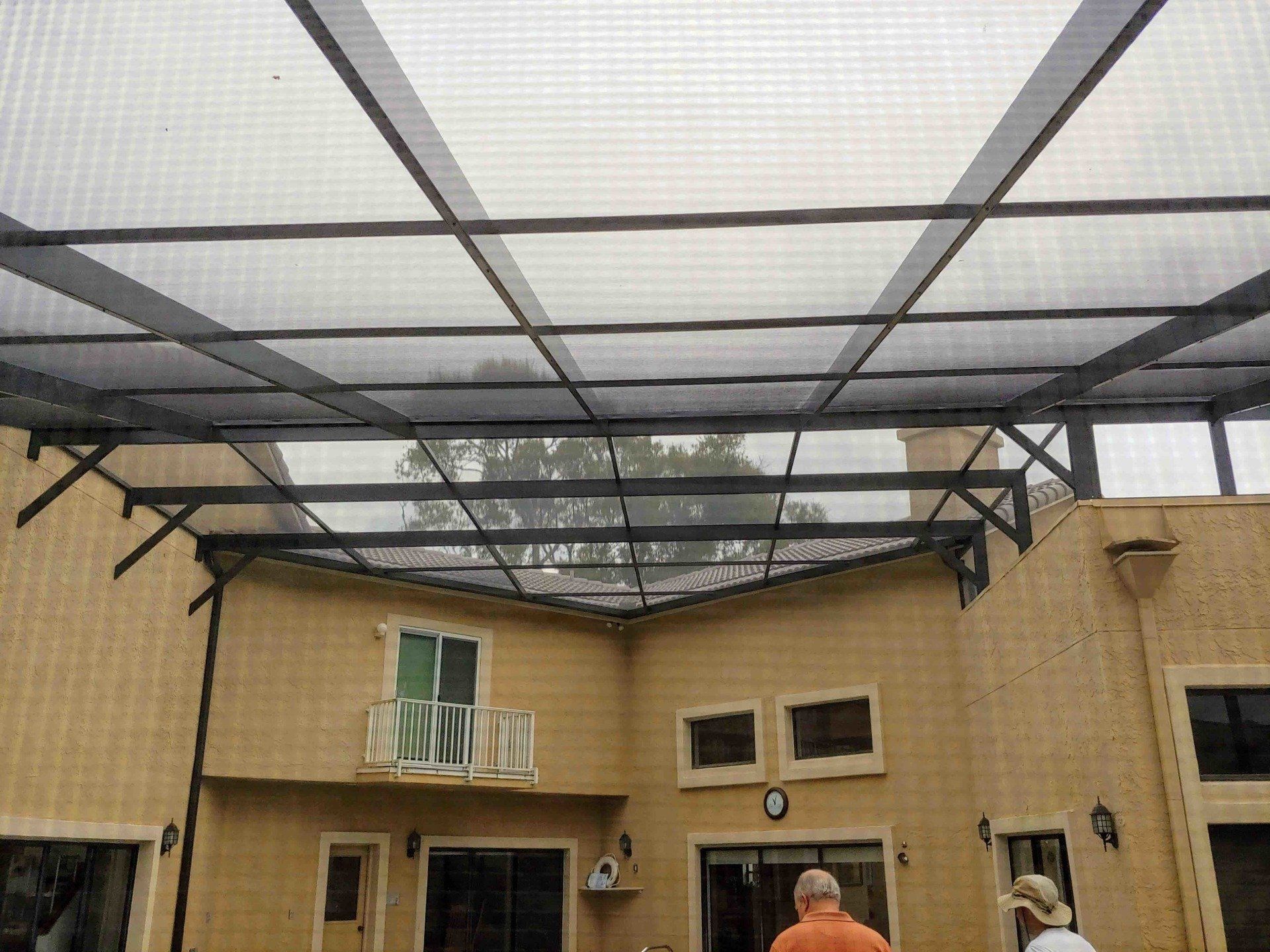
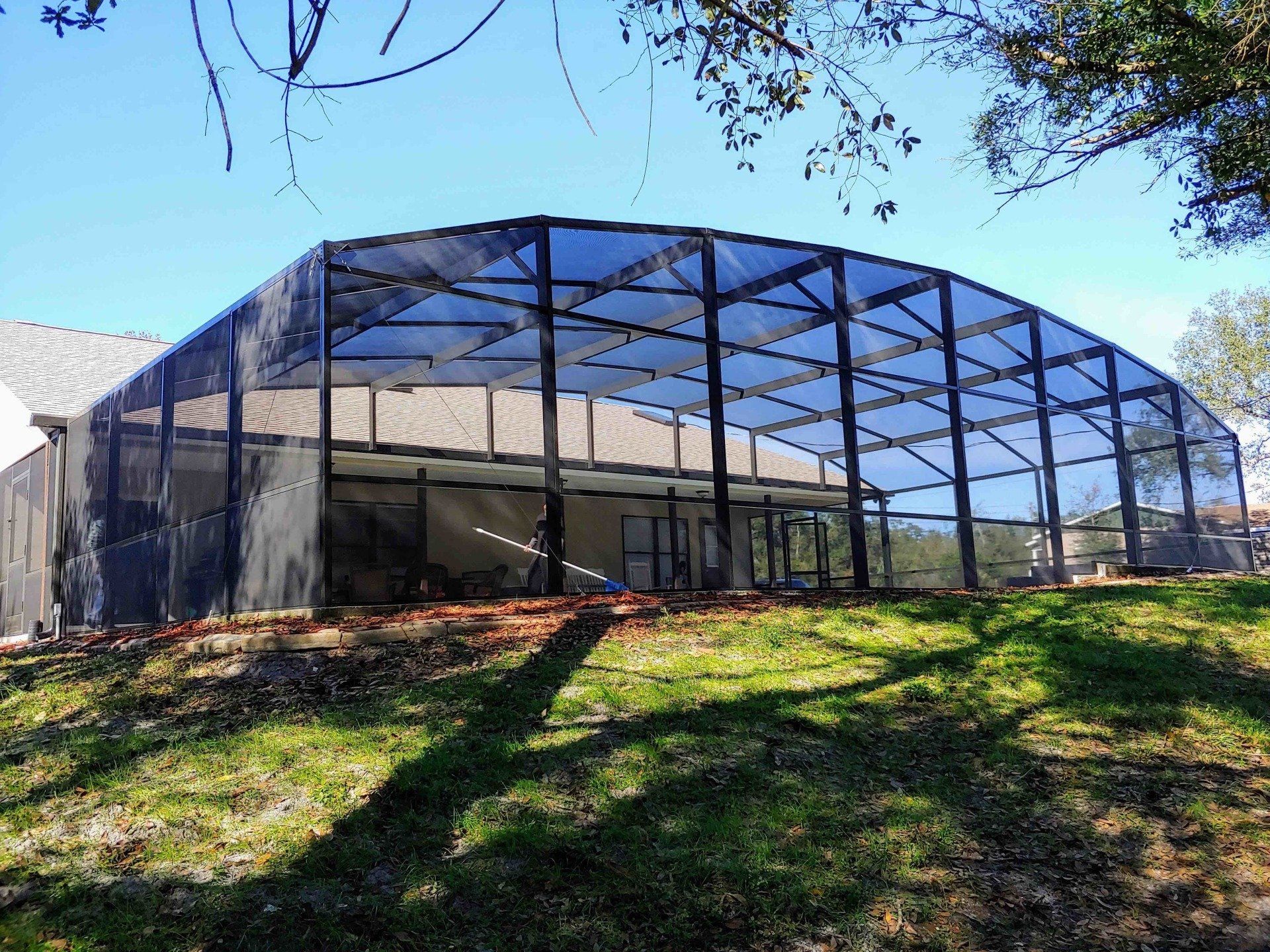
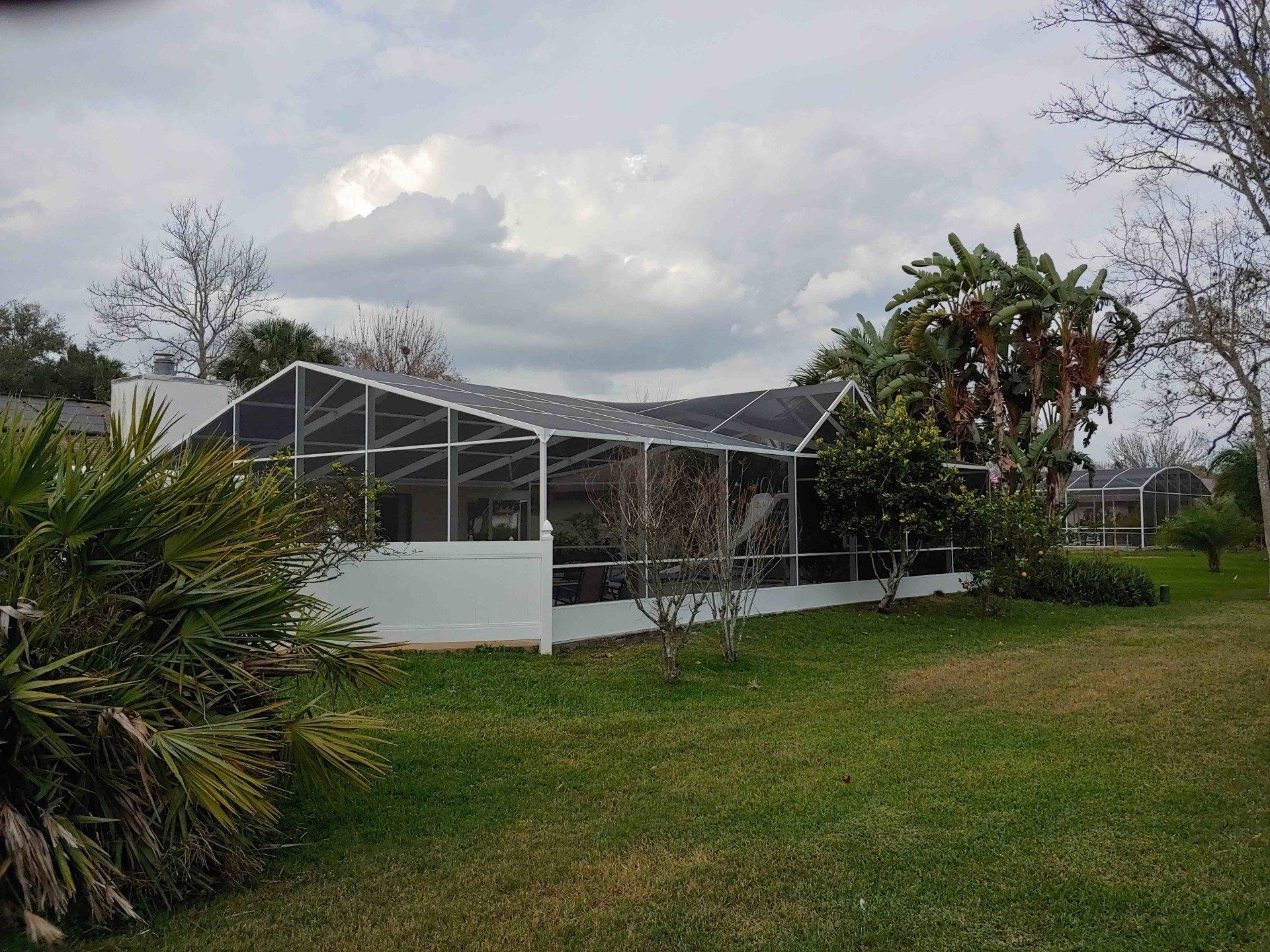
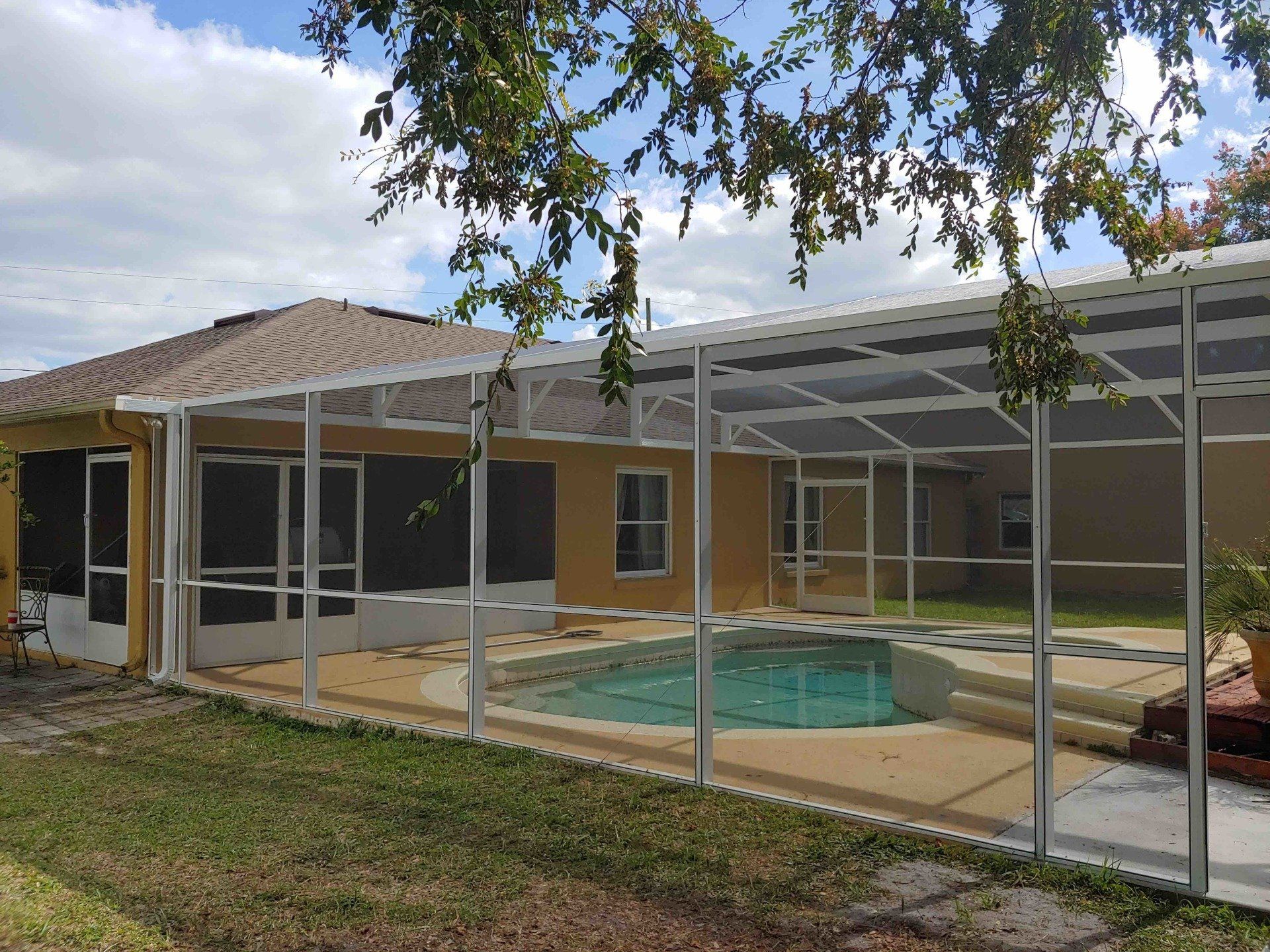
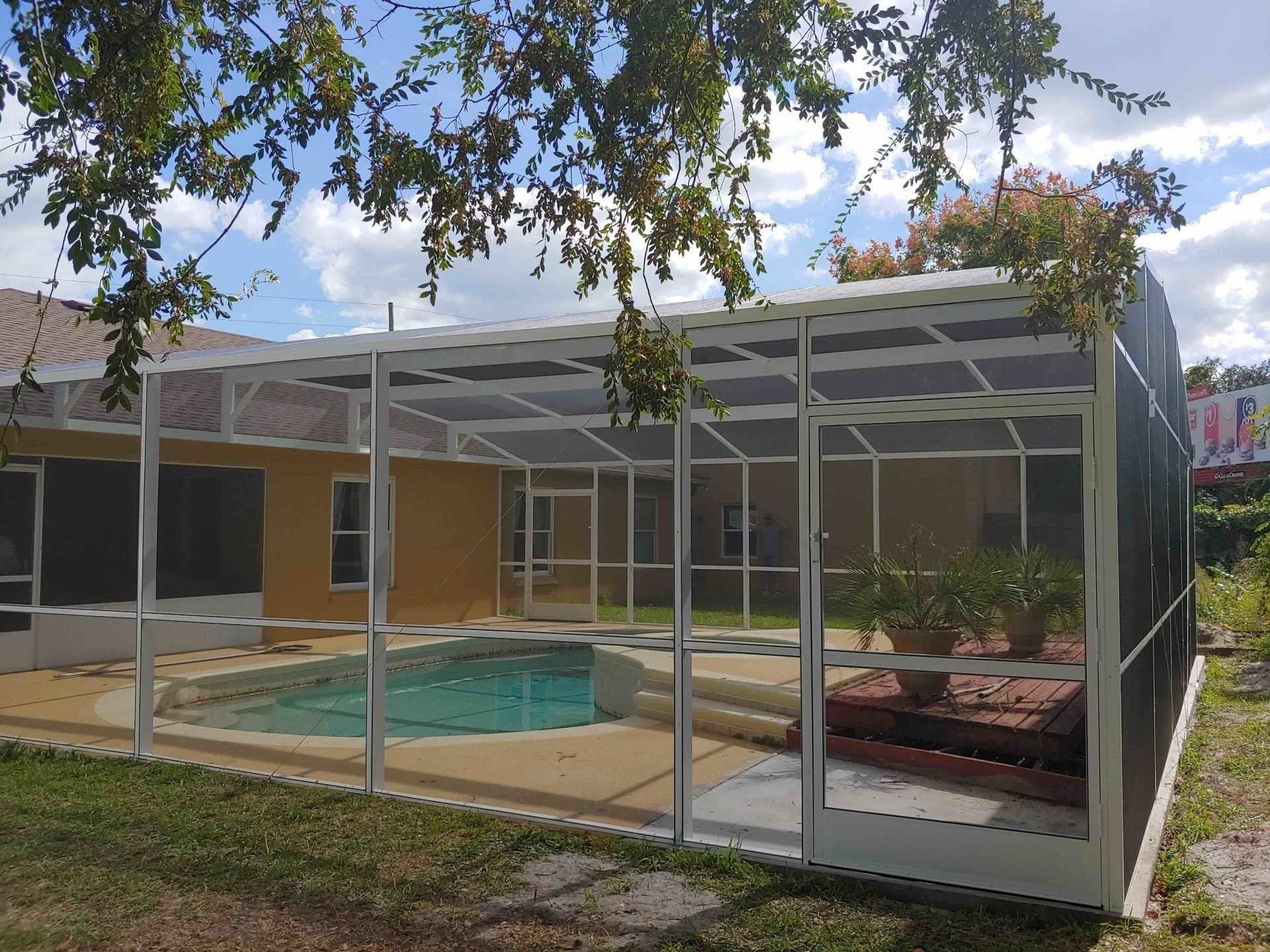
Look from the ground for torn mesh, loose edges, sagging panels, damaged doors, and areas where the screen has pulled out of its channel. Note whether the problem is isolated or appears across much of the enclosure.
Then tell the contractor about visible frame distortion, separation at connections, persistent movement, or damage around anchors. Do not climb onto the enclosure or try to straighten framing yourself. If anything appears unstable, keep people away from the affected area until it has been evaluated.
The goal is to distinguish a screening problem from a supporting-structure problem. Fresh mesh can improve appearance and insect exclusion, but it does not restore a damaged frame or anchorage.
When a panel repair may be enough
An isolated tear caused by a branch or an accidental puncture may justify replacing one panel if adjacent screening and the frame are in good condition. Ask whether the existing mesh can be matched closely and whether the surrounding spline and channels are still serviceable.
Consider the pattern of previous repairs. If one panel fails and the others remain sound, a targeted repair may solve the problem. If failures keep moving around the enclosure, another single-panel repair may postpone a broader rescreen rather than avoid it.
When to consider a full rescreen
A full rescreen is worth comparing when multiple panels are worn, appearance is inconsistent, or the existing mesh no longer meets your needs. The contractor should first confirm whether the structure can remain and identify other repairs that should happen while screening is removed.
Discuss doors, closers, spline, attachment areas, and the proposed mesh as individual scope items. “Rescreen the cage” should not leave you guessing about whether those components are included. Ask how the pool and surrounding deck will be protected and how removed material will be collected.
If small insects are your main frustration, tell the installer before pricing begins. Screen selection affects the finished experience, and the proposed material must be appropriate for the enclosure design.
When replacement deserves a serious comparison
Replacement may be the stronger option when significant repairs are needed across the frame or connections, when the existing structure cannot support the proposed changes, or when its layout no longer works for the property.
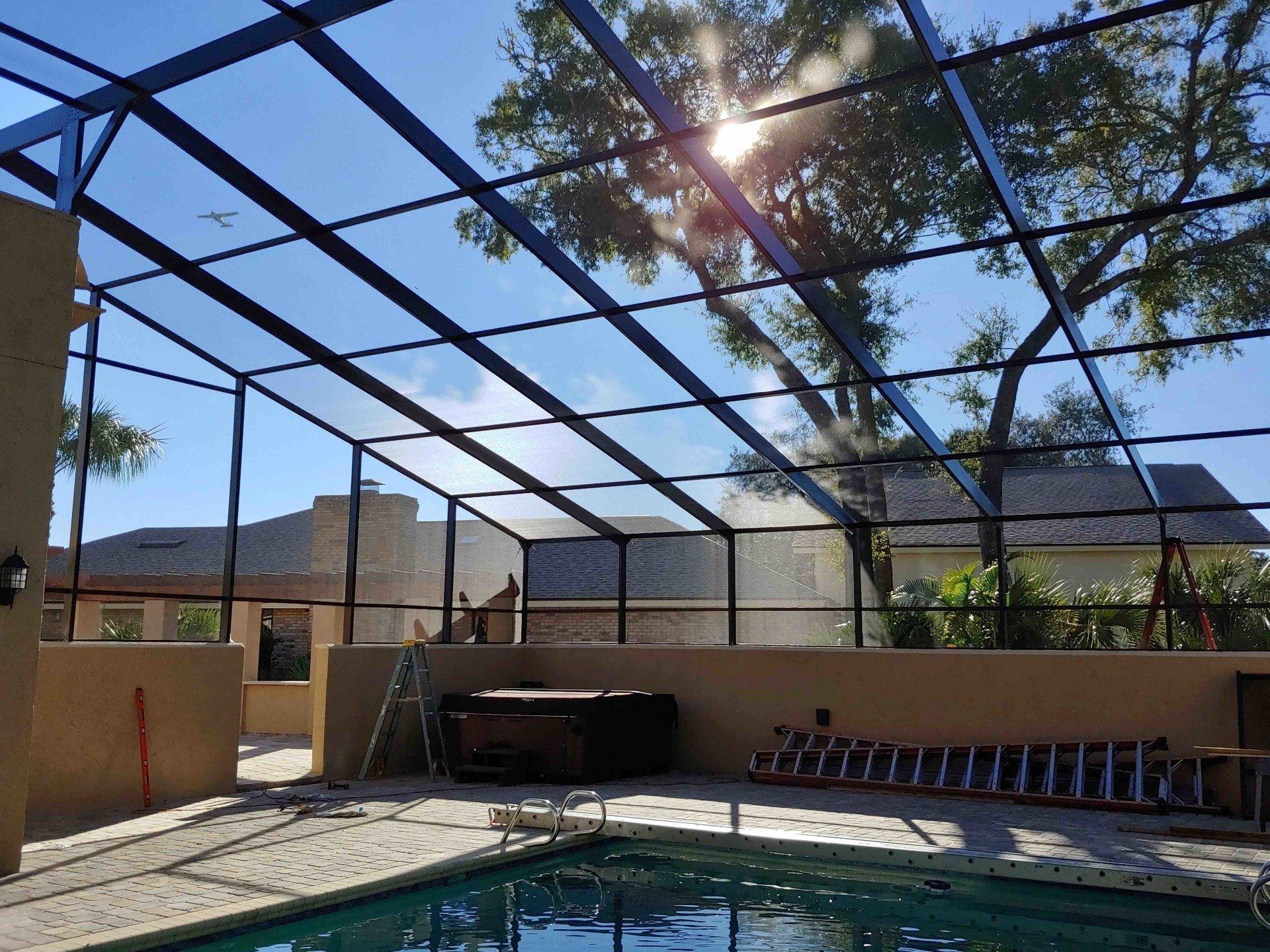
For example, a homeowner planning deck changes may want different door placement or clearer sightlines. Comparing a new design with a repair proposal can reveal whether keeping the old layout creates an expensive compromise. Review pool enclosure installation options before committing to major restoration work.
Age alone is not a diagnosis. Ask the contractor to explain the observed condition, recommended scope, and assumptions behind each option. Photos of specific concerns are more useful than an unsupported claim that the whole cage is “too old.”
Compare proposals using the same checklist
- Structure: Which members and connections stay, and which are repaired or replaced?
- Screen: What exact mesh is included, and on which surfaces?
- Doors and hardware: Are adjustments, replacement parts, and closers included?
- Supporting work: Are slab, attachment, drainage, or access issues excluded?
- Approvals: Who determines the applicable permit, engineering, and inspection requirements?
- Closeout: What cleanup, documentation, and warranty terms will be provided?
For structural changes, ask how the design will address current project requirements. Our guide to pool enclosure wind ratings provides background for that discussion. Do not assume a rescreen changes the structure’s rating.
Keep routine maintenance separate from major repair
Once the repair or replacement decision is made, request care instructions for the actual mesh and finish. Gentle cleaning and prompt attention to developing problems can be part of an ownership plan, but maintenance is not a remedy for structural damage.
Our screen enclosure maintenance guide covers ongoing care. Follow the installed product’s instructions if they differ from general advice, and arrange professional access for elevated areas.
Get an assessment before choosing the scope
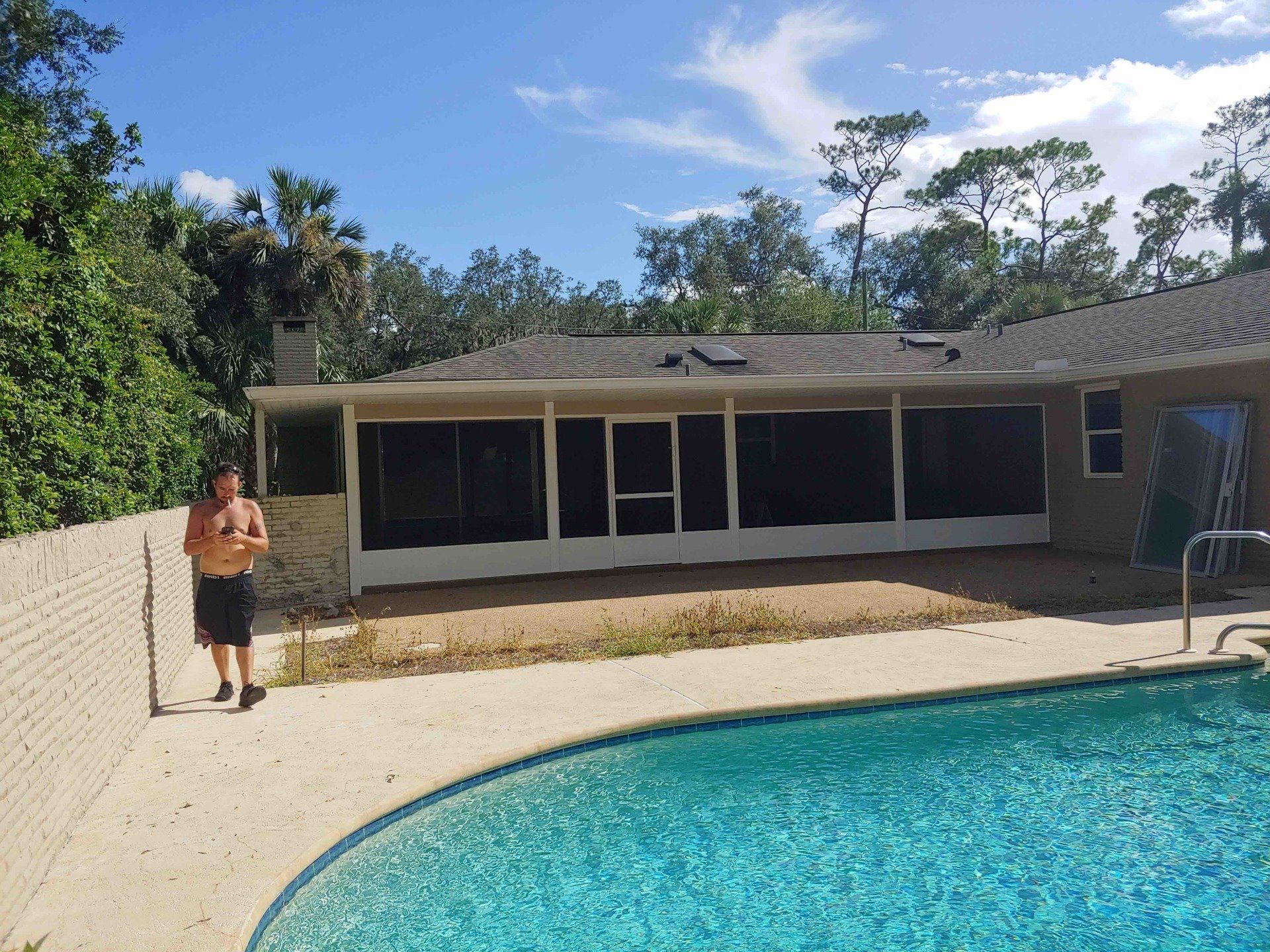
Take ground-level photos of the entire enclosure, close views of visible damage, and notes about recurring problems. Include whether you want to keep the current footprint and door locations or explore a different design.
Contact A First Class Aluminum or call 386-228-3933 to discuss the condition of your pool enclosure and the options for moving forward. A clear assessment helps you put the budget toward the work the enclosure actually needs.